homes for sale in florida sets the stage for this enthralling narrative, offering readers a glimpse into a story that is rich in detail and brimming with originality from the outset. Florida’s real estate market is as diverse as its stunning landscapes, ranging from bustling urban centers to serene coastal towns. Each region presents unique opportunities and challenges for buyers, shaped by various factors such as location, amenities, and climate.
This captivating market draws in individuals and families alike, all eager to stake their claim in the Sunshine State.
As we delve deeper into this topic, we’ll explore the seasonal trends affecting home sales, the types of properties available, and the many benefits of calling Florida home. Whether you’re looking for a lively city life or a peaceful retreat, Florida has something for everyone.
Discuss the diverse real estate market in Florida
Florida’s real estate market is renowned for its diversity, reflecting the state’s unique geography, climate, and culture. From bustling urban centers to serene rural landscapes, the range of properties available is as varied as the residents who call the Sunshine State home. This variance is particularly pronounced in the differences between urban and rural areas. Urban real estate markets, like those in Miami, Orlando, and Tampa, exhibit characteristics influenced by factors such as population density, demand for amenities, and proximity to employment hubs.
In contrast, rural areas present opportunities for more spacious living, often accompanied by lower price points and quieter lifestyles.Several key factors significantly influence property prices in Florida’s urban versus rural areas. In urban environments, the demand for housing is driven by a multitude of factors including job opportunities, access to public transportation, and the allure of a vibrant lifestyle. These cities tend to have higher property values due to limited availability of land and a constant influx of new residents seeking the urban experience.
Conversely, rural areas typically feature lower property prices, influenced by factors such as larger plots of land available for development, lower population density, and a slower pace of life. Buyers in these regions often prioritize space, privacy, and access to outdoor activities, which can be compelling advantages over urban living.
Examples of Popular Cities and Their Distinct Housing Offerings
Florida is home to a variety of cities, each with its own distinct real estate offerings. Here are key examples that illustrate the diversity in housing across the state:
- Miami: Known for its luxury condos and high-rise apartments, Miami’s real estate market appeals to those seeking a cosmopolitan lifestyle. The waterfront properties often come with a premium price tag due to the stunning views and sought-after location.
- Orlando: Famous for its theme parks, Orlando has a diverse housing market that includes family-friendly neighborhoods, townhomes, and vacation rentals. The city’s growth continues to attract investors and first-time buyers alike.
- Tampa: A blend of urban and suburban living, Tampa offers a range of housing options from historic homes in Hyde Park to modern developments in South Tampa. The city is experiencing significant growth, driven by its thriving job market.
- Jacksonville: As one of the largest cities by area in the United States, Jacksonville boasts a mix of urban and suburban homes. The affordability of real estate here draws many new residents looking to balance city life with access to beaches and parks.
- Gainesville: Home to the University of Florida, Gainesville’s market is heavily influenced by student housing needs. Properties range from single-family homes to apartments, catering to both students and families.
In summary, Florida’s real estate market is characterized by its regional diversity, with urban centers exhibiting high demand and pricing, while rural areas offer larger, more affordable properties. Understanding these dynamics is essential for buyers and investors looking to navigate the vibrant Florida real estate landscape.
Explore the seasonal trends for homes for sale in Florida
Florida’s real estate market is highly influenced by seasonal trends, making it crucial for both buyers and sellers to understand these dynamics. The state’s warm climate attracts a significant influx of tourists and seasonal residents, particularly during the winter months. This seasonal migration not only affects rental markets but also has a profound impact on home sales. Potential buyers often time their purchases around these seasonal trends, while sellers might strategize their listings accordingly to capitalize on peak periods.As winter approaches, Florida sees a notable increase in real estate listings and sales.
The months of December through April, often referred to as the “high season,” draw a large number of prospective buyers, including retirees and families seeking vacation homes. In contrast, the summer months can experience a slowdown, as many potential buyers are preoccupied with vacations and warmer climates elsewhere. The interplay of these seasonal shifts creates a unique landscape for real estate transactions.
Impact of Tourism on the Housing Market
Tourism plays a pivotal role in shaping the housing market during peak seasons in Florida. The state’s reputation as a prime vacation destination means that many of its buyers are not just locals but also individuals from out-of-state looking for second homes or investment properties. During the height of tourism, the demand for both residential and rental properties surges, driving up prices and increasing competition among buyers.Understanding the correlation between peak tourism periods and home sales is vital for those looking to buy or sell.
Generally, the influx of tourists translates into higher demand for homes from December to April. This increased activity can be attributed to several factors:
- Increased demand: With many visitors exploring the area, they often consider purchasing homes, leading to a spike in sales. Many buyers take advantage of the mild winter weather to visit and assess properties in person.
- Investment opportunities: Investors often capitalize on the seasonal market by purchasing properties that can be rented out during peak tourism months, contributing to a more robust market.
- Competitive pricing: As demand heightens, sellers may price their homes more aggressively, resulting in quicker sales and potentially higher sale prices.
The months that typically see the most activity in home sales are January, February, and March. These months coincide with the arrival of seasonal residents, who are eager to find properties before the prime tourist season begins to wind down. Moreover, this period aligns with many real estate events, open houses, and community gatherings, further increasing visibility for listings.In summary, the seasonal trends within Florida’s real estate market are distinctly shaped by tourism and seasonal migrations.
Understanding these patterns can empower buyers and sellers to make informed decisions that align with market activity, enhancing their chances for successful transactions.
Identify the benefits of purchasing a home in Florida

When considering a home purchase, Florida stands out as an attractive option with a myriad of advantages. The state is renowned for its beautiful weather, vibrant lifestyle, and diverse cultural experiences. With a range of activities and amenities, living in Florida can significantly enhance one’s quality of life. From its stunning beaches to its bustling urban centers, residents enjoy a warm climate and endless recreational opportunities throughout the year.One of the most compelling reasons to buy a home in Florida is the favorable climate.
With abundant sunshine and mild winters, Florida’s weather is perfect for outdoor enthusiasts and those seeking a laid-back lifestyle. The state averages over 300 sunny days per year, making it ideal for activities such as boating, golfing, and beach outings. This pleasant climate also fosters a sense of community, where residents are more likely to engage in outdoor social activities, enhancing the overall living experience.
Tax Benefits and Property Appreciation
Florida’s tax structure is notably advantageous for homeowners. The state is one of the few that does not impose a personal income tax, meaning that residents can keep more of their earnings. This financial benefit can significantly impact the overall cost of living and allows homeowners to allocate funds toward housing investment or personal enjoyment. Additionally, property taxes in Florida are relatively moderate compared to other states, offering further relief for homeowners.
The potential for property appreciation in Florida is another significant benefit. The real estate market in Florida has shown a steady upward trend, especially in popular areas like Miami, Orlando, and Tampa. Many neighborhoods are experiencing growth due to increasing demand from both domestic and international buyers. For instance, between 2020 and 2022, home values in several Florida cities rose by more than 20%, demonstrating the potential for substantial investment returns.
Cultural and Recreational Opportunities, Homes for sale in florida
Florida is rich in cultural and recreational activities that cater to diverse interests. Homeowners have access to world-class attractions, including theme parks, art galleries, museums, and theaters. Cities like Orlando are famous for their theme parks, while Miami boasts a vibrant art scene with events like Art Basel and numerous galleries. The state also offers an extensive array of outdoor recreational opportunities.
With over 1,300 miles of coastline, residents can enjoy beautiful beaches, fishing, and water sports. National parks like the Everglades provide unique ecosystems for exploration, while numerous golf courses attract golf enthusiasts from around the world. Florida’s cultural diversity is reflected in its festivals, culinary offerings, and community events, making it a dynamic place to live and thrive.
Compare different types of properties available for sale in Florida
Florida’s real estate market offers a wide array of property types, each catering to different lifestyles, preferences, and investment strategies. From vibrant city centers to serene beachside retreats, understanding the different types of properties available is crucial for potential buyers. This diverse landscape includes condominiums, single-family homes, and waterfront properties, each with its unique characteristics, price ranges, and investment pros and cons.
Property Types and Their Characteristics
In Florida, the types of properties available for sale vary significantly, appealing to a broad spectrum of buyers. Condominiums, single-family homes, and waterfront properties each have distinct advantages and disadvantages that potential buyers should consider carefully.
- Condos: Condominiums are popular, especially in urban areas and along the coast. They typically range from $150,000 to $1,000,000, depending on location and amenities. Condos offer low maintenance living and access to communal facilities such as pools and gyms. However, they often come with homeowners’ association (HOA) fees and less privacy than single-family homes.
- Single-Family Homes: These properties provide more space and privacy, making them ideal for families. Prices generally range from $250,000 to $2,500,000, influenced by factors like location, size, and condition. The main advantages include greater control over the property and potential for appreciation. Conversely, maintenance costs can be higher, and homeowners are responsible for all upkeep.
- Waterfront Properties: These coveted homes are situated along beaches, lakes, or rivers and typically command premium prices, ranging from $400,000 to over $5 million. Waterfront properties offer stunning views and direct access to water activities, making them highly desirable. However, they may come with higher insurance costs and potential for environmental risks such as flooding.
“Investing in real estate means more than just purchasing a property; it’s about investing in a lifestyle that suits your needs and aspirations.”
Understanding these property types, their price ranges, and the pros and cons associated with each can help buyers make informed decisions in the vibrant Florida market. Whether looking for a maintenance-free lifestyle, a family-friendly home, or a luxurious waterfront retreat, Florida has options to suit every preference and budget.
Share insights on the home-buying process in Florida
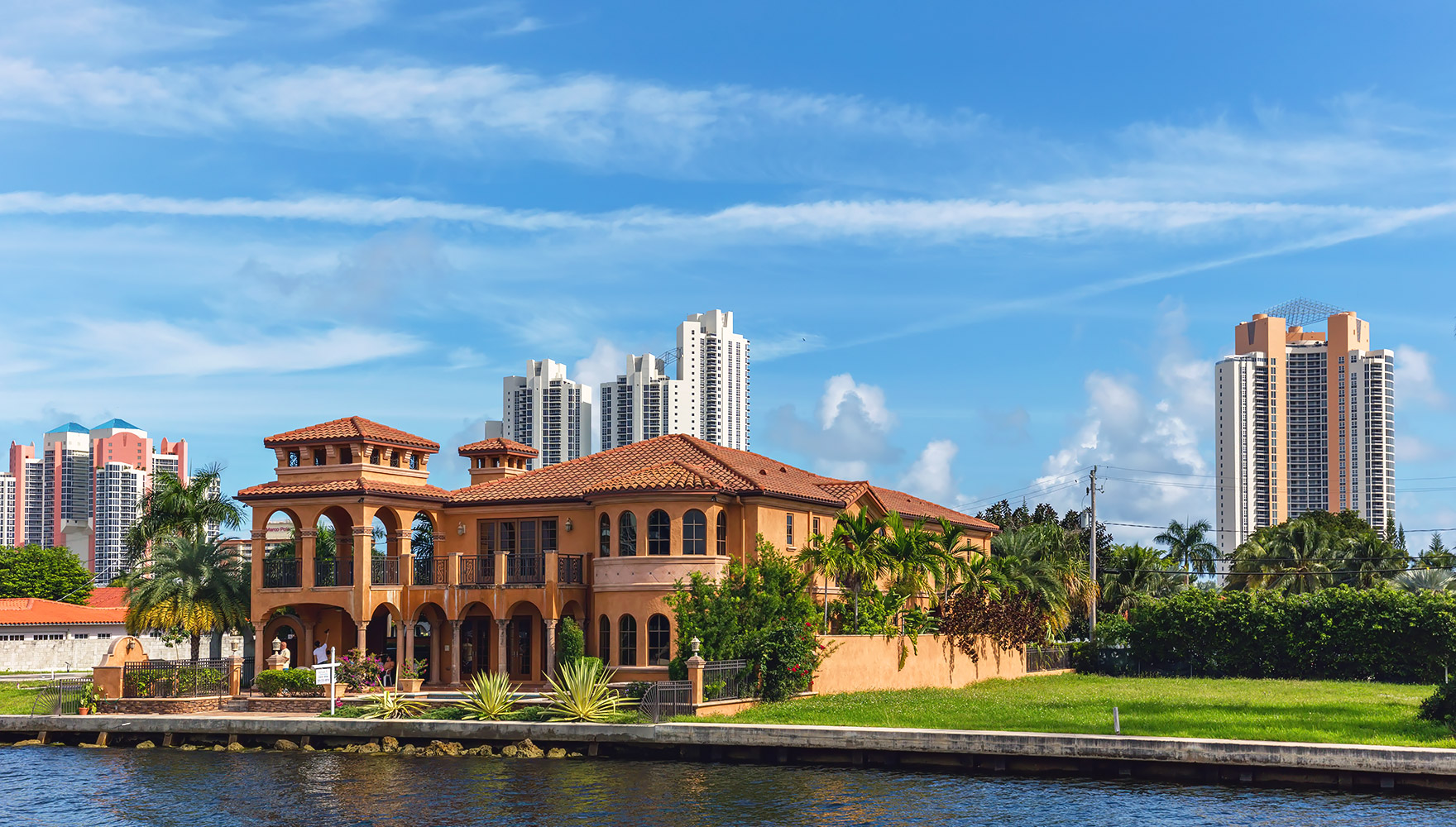
Buying a home in Florida can be an exciting journey filled with endless possibilities. With its stunning coastline, vibrant cities, and year-round warm weather, the state attracts a diverse range of buyers. However, understanding the home-buying process is crucial for making informed decisions. This guide will walk you through the essential steps involved in purchasing a home in Florida, highlighting the importance of real estate agents and inspections, as well as the financing options available to prospective buyers.The home-buying process in Florida typically involves several key steps, beginning with identifying your needs and budget.
Prospective buyers should assess factors such as location, size, and amenities that are important to them. Once these criteria are established, the next step is to select a qualified real estate agent. A knowledgeable agent can provide valuable insights into the local market, helping buyers navigate through listings and schedule property viewings. After selecting an agent, buyers should get pre-approved for a mortgage.
This involves supplying financial information to a lender, who will then determine how much they are willing to lend. Pre-approval not only clarifies your budget but also shows sellers that you are a serious buyer, which can be advantageous in a competitive market.
Examine how homes for sale county can boost performance in your area.
Importance of Real Estate Agents and Inspections
The role of real estate agents in Florida cannot be overstated. They possess in-depth knowledge of the local market, understand the nuances of neighborhoods, and can guide buyers through the entire purchasing process. Their expertise is particularly beneficial when negotiating offers and navigating any potential pitfalls.In addition to having a real estate agent, it is critical to conduct a thorough inspection of the property.
Inspections assess the condition of the home, identifying any underlying issues that may not be immediately visible. This step is vital as it helps buyers avoid costly surprises after closing. Common inspection areas include the roof, plumbing, electrical systems, and pest infestations. If any issues arise, buyers can negotiate repairs or credits with the seller before finalizing the sale.
Financing Options for Prospective Buyers
Understanding the financing options available is a vital part of the home-buying process in Florida. Various mortgage products cater to different buyer needs, including conventional loans, FHA loans, VA loans, and USDA loans.
1. Conventional Loans
These are not insured by the government and typically require a higher credit score and down payment, usually around 20%. They are suitable for buyers with stable financial backgrounds.
2. FHA Loans
Backed by the Federal Housing Administration, these loans are ideal for first-time buyers as they allow for lower down payments (as low as 3.5%) and more lenient credit requirements.
3. VA Loans
Available to veterans and active-duty military personnel, these loans often require no down payment and have favorable terms, making them a great option for eligible buyers.
4. USDA Loans
Designed for rural homebuyers, these loans also require no down payment and are intended to promote growth in less populated areas.It is advisable for buyers to compare mortgage rates from different lenders to secure the best possible financing deal. Consulting with a mortgage broker can also provide valuable insights into which loan products may be the most beneficial based on individual circumstances.By understanding these essential steps, the role of real estate agents, the importance of inspections, and the variety of financing options available, prospective buyers can approach the home-buying process in Florida with confidence and clarity.
Create a guide to neighborhoods in Florida
Florida’s vibrant real estate landscape is not just defined by its listings but also by the unique neighborhoods that add character and charm to this sunny state. With a blend of coastal towns, urban centers, and family-friendly suburbs, each neighborhood offers distinct amenities, lifestyles, and demographics that cater to various preferences. Understanding these neighborhoods can help potential buyers make informed decisions about where to plant their roots in the Sunshine State.Among the most sought-after neighborhoods in Florida, several stand out due to their amenities, community vibe, and overall lifestyle offerings.
A closer look at the following neighborhoods reveals why they are popular choices for homebuyers.
Miami Beach
Miami Beach is renowned for its beautiful sandy beaches and a lively nightlife scene. This neighborhood attracts a mix of young professionals, families, and retirees. The area boasts luxurious high-rise condominiums along the oceanfront, as well as charming Art Deco homes in the historic district. Residents enjoy top-notch amenities, including world-class dining, shopping, and cultural attractions like museums and theaters.
“Miami Beach is not just a place to live; it’s a lifestyle.”
Weston
Weston is a family-oriented community known for its top-rated schools and lush parks. This suburban neighborhood features a variety of single-family homes, many of which are located in gated communities. Weston offers numerous recreational facilities, including golf courses, sports complexes, and walking trails, making it ideal for families who prioritize outdoor activities. The community hosts regular events that foster a strong sense of belonging among its residents.
Tampa Bay Area
The Tampa Bay Area encompasses neighborhoods like Hyde Park, Westchase, and Palma Ceia, each known for its unique charm. Hyde Park features historic homes and a vibrant shopping district, while Westchase is favored for its well-planned communities and family-centric amenities. Palma Ceia offers upscale living with golf courses and waterfront views. The area benefits from a growing job market, appealing to young professionals and families alike.
Orlando
Home to famous attractions like Walt Disney World, Orlando is perfect for those seeking a blend of entertainment and suburban living. Neighborhoods such as Lake Nona and Winter Park are highly sought after. Lake Nona is known for its modern developments and focus on health and wellness, while Winter Park offers a more traditional feel with its historic architecture and artsy vibe.
The diverse cultural scene and robust economy attract a wide demographic, including young families and retirees.
St. Petersburg
St. Petersburg, often called St. Pete, has a vibrant arts scene and beautiful waterfront views. This neighborhood is ideal for those looking for a laid-back lifestyle combined with urban conveniences. With its eclectic mix of art galleries, trendy eateries, and outdoor activities, St.
Pete attracts a diverse population from young millennials to retirees. The area is also known for its walkability and community events, making it a lively place to live.In summary, whether you are drawn to the hustle and bustle of Miami Beach or the tranquility of Weston, Florida’s neighborhoods each offer unique lifestyles and amenities that cater to various preferences. Understanding these areas can significantly influence a buyer’s decision-making process, ensuring they find a neighborhood that aligns with their lifestyle and goals.
Discuss the impact of climate on home maintenance in Florida
Florida’s climate significantly influences home maintenance practices, requiring homeowners to adopt tailored strategies to protect their properties. With its subtropical conditions characterized by high humidity and frequent storms, home upkeep in Florida is uniquely challenging. Understanding these climatic factors is crucial for homeowners looking to preserve their investment and ensure longevity.One of the primary issues homeowners face in Florida is the relentless humidity, which can lead to a host of problems, including mold growth and wood rot.
The state’s warm, moist air creates an ideal environment for mold spores to thrive, making it essential for homes to have proper ventilation systems. Excess moisture can also weaken structural components, especially in older homes where wood is a prevalent material.
Common Issues Due to Humidity and Storms
Homeowners must be vigilant about the specific challenges posed by Florida’s climate. The following points highlight common issues that arise from humidity and storm conditions:
- Mold and Mildew Growth: High humidity levels can result in the rapid accumulation of mold and mildew in damp areas like bathrooms, basements, and kitchens.
- Wood Damage: Moisture can lead to rotting, warping, and splitting of wood materials in decks, fences, and roofing.
- Storm Damage: Hurricanes and tropical storms can cause significant damage to roofs, windows, and siding, necessitating a robust maintenance plan.
- Corrosion: Salty air, especially in coastal areas, can lead to accelerated corrosion of metal fixtures and fittings, including railings and HVAC systems.
It’s important for homeowners to address these issues proactively, as they can lead to costly repairs if left unattended.Preventative measures are essential in protecting homes against Florida’s unique climate. By implementing certain strategies, homeowners can significantly reduce their maintenance burdens:
- Regular Inspections: Conducting routine checks on roofs, gutters, and downspouts can prevent water accumulation and subsequent damage.
- Mold Prevention: Installing dehumidifiers and ensuring proper ventilation in high-moisture areas can mitigate mold risks.
- Storm Preparedness: Reinforcing roofs and windows, along with having an emergency plan in place, ensures homes withstand severe weather.
- Corrosion Protection: Utilizing rust-resistant materials for exterior fixtures and regularly applying protective coatings can prolong the lifespan of metal components.
Investing time and resources into these preventative measures can safeguard homes in Florida’s challenging climate, ensuring they remain safe and comfortable year-round.
Examine the investment potential of Florida real estate: Homes For Sale In Florida

Florida’s real estate market offers a wealth of opportunities for investors, driven by its robust economy, attractive climate, and increasing population. The state has consistently been a hotspot for both domestic and international buyers, making it an appealing destination for real estate investments. The combination of high demand, diverse property types, and favorable tax conditions creates a unique investment landscape that can yield significant returns.The investment potential in Florida is particularly noteworthy due to its diverse range of properties.
From beachfront condos to suburban single-family homes, the state caters to various buyer preferences and income levels. This diversity allows investors to tailor their portfolios to align with their financial goals, whether they are looking for quick returns or long-term appreciation. Seasonal trends also contribute to the investment landscape, as Florida’s population swells during the winter months, leading to increased demand for rental properties.
Short-term rental prospects compared to long-term leasing options
The decision between short-term rentals and long-term leases is pivotal for investors in Florida’s housing market. Short-term rentals, particularly in tourist-heavy areas like Miami, Orlando, and the Florida Keys, can offer substantial profit margins. With the rise of platforms like Airbnb and VRBO, property owners can capitalize on the influx of visitors seeking vacation accommodations. However, successful short-term rental management requires active engagement, including regular maintenance, marketing, and navigating local regulations.Conversely, long-term leasing provides more stability and minimal management effort.
Investors can enjoy consistent monthly cash flow with less turnover, making long-term rentals an attractive option for those looking for a hands-off investment. The demand for long-term rentals is fueled by Florida’s growing population and job market, particularly in urban areas where housing options are limited.Ultimately, both options have their merits, and many investors in Florida adopt a hybrid approach, balancing short-term and long-term strategies to optimize their portfolios.
Successful real estate investment strategies in Florida
Florida’s dynamic real estate market has seen numerous successful investment strategies that are worth noting. One prevalent method is the “buy-and-hold” approach, where investors purchase properties in appreciating neighborhoods and hold onto them for several years. For instance, areas like Tampa and Jacksonville have shown significant growth, making them ideal for long-term investments. Investors can benefit from property appreciation while earning rental income.Another effective strategy is flipping properties.
Savvy investors often buy distressed properties, renovate them, and sell them for a profit. In Florida, neighborhoods undergoing revitalization provide excellent opportunities for this approach. For example, areas in Miami have been transformed, attracting buyers willing to pay a premium for upgraded homes.Additionally, investing in vacation rental markets has proven lucrative, especially in coastal regions. Properties in popular tourist destinations not only generate rental income but also appreciate in value during peak seasons.
Investors often market these properties to maximize occupancy rates, ensuring a steady income stream.In conclusion, Florida’s real estate market presents numerous investment opportunities, making it an attractive option for both novice and seasoned investors. By understanding the dynamics of the market and leveraging effective investment strategies, investors can capitalize on Florida’s robust housing landscape.
Closing Summary
In summary, the journey to finding homes for sale in Florida is filled with potential and excitement. With a rich variety of properties and neighborhoods to choose from, along with favorable market conditions, prospective buyers are well-positioned to make a sound investment. Whether you’re drawn by the warm climate, cultural experiences, or investment opportunities, understanding the nuances of Florida’s real estate landscape will empower you to make informed decisions as you embark on this adventure.
Key Questions Answered
What is the average home price in Florida?
The average home price in Florida varies by region but typically ranges from $300,000 to $500,000, depending on location and property type.
Are there any first-time homebuyer programs in Florida?
Yes, Florida offers several first-time homebuyer programs that provide down payment assistance and favorable financing options.
What should I consider when choosing a neighborhood?
Consider factors such as proximity to work, schools, amenities, safety, and lifestyle preferences when choosing a neighborhood in Florida.
Is it a good time to buy a home in Florida?
Market conditions can vary, but many experts suggest that Florida remains a strong market for homebuyers, especially in areas with growing job opportunities.
What are the common maintenance issues for homes in Florida?
Common issues include humidity-related damage, storm impact, and regular upkeep of air conditioning systems. Regular maintenance can help mitigate these problems.