florida homes sets the stage for this enthralling narrative, offering readers a glimpse into a story that is rich in detail and full of character. From the vibrant Mediterranean villas to the sleek lines of Mid-Century Modern designs, Florida’s architectural styles reflect the state’s diverse culture and geographical influences. The blend of outdoor living spaces and sustainable features further enhances the appeal of these homes, making them not just places to live, but lifestyles to embrace.
Understanding the Unique Architecture of Florida Homes
Florida’s architectural landscape is as diverse as its culture, shaped by its unique climate, geographical features, and rich history. The state showcases various architectural styles that reflect the influence of its environment and the communities that have thrived here. From the charming Mediterranean villas to the sleek lines of Mid-Century Modern homes, Florida’s architecture offers an intriguing blend of aesthetics and functionality.The state’s subtropical climate, characterized by high humidity and warm temperatures, significantly impacts the design of homes.
This results in features like large overhanging eaves, screened porches, and open floor plans that promote natural ventilation. Cultural influences from Spanish colonization, the Caribbean, and modernist movements further enrich the architectural tapestry of the region. The geographical factors, including proximity to the coast and unique topography, also dictate the materials and construction techniques used in building Florida homes.
Mediterranean Influence in Florida Homes
The Mediterranean architectural style is one of the most prominent in Florida, characterized by stucco exteriors, red-tiled roofs, and wrought iron details. This style originated from the Spanish and Italian influences and is well-suited to the warm climate of Florida.
-
The open layouts and arched doorways create a seamless flow between indoor and outdoor spaces, ideal for enjoying the state’s pleasant weather.
- Terracotta tiles are often used in flooring, enhancing both aesthetics and cooling properties.
- Landscaping often features lush gardens with palm trees and tropical plants, complementing the home’s exterior.
Colonial Styles in Florida Homes
Colonial architecture adds another layer to Florida’s diverse home styles, often reflecting the historical roots of early American settlers. This style is marked by symmetry, balance, and classic detailing.
-
Colonial homes typically feature a central entrance with evenly spaced windows, creating a sense of order and harmony.
- Materials such as brick and wood are common, providing durability against the state’s climate.
- Two-story structures with gabled roofs and large porches are prevalent, offering space for outdoor living.
Mid-Century Modern Design in Florida Homes
Mid-Century Modern architecture gained popularity in Florida during the post-World War II era, emphasizing simplicity and integration with nature. This style is recognized for its clean lines, large glass windows, and open spaces.
-
The use of natural materials like wood and stone reflects a connection to the surrounding environment, which is a key principle of this style.
- Indoor-outdoor living is a hallmark, with sliding glass doors that open up to spacious patios and gardens.
- Innovative designs often incorporate features such as cantilevered roofs and asymmetrical shapes, making each home unique.
The Importance of Outdoor Living Spaces in Florida Homes
In Florida, where the sun shines generously and the climate is warm year-round, outdoor living spaces have become an integral part of home design. Homeowners in the Sunshine State are increasingly recognizing the value of extending their living areas outside, creating functional and enjoyable spaces that enhance their lifestyle. This trend reflects not just a preference for outdoor enjoyment but also a smart investment in property value.Incorporating outdoor spaces into home designs often includes features like patios, decks, and pools, which cater to the state’s tropical ambiance.
These spaces are designed to encourage relaxation and social gatherings, making them ideal for both quiet evenings and lively celebrations. The seamless flow between indoor and outdoor areas promotes a lifestyle that embraces nature while providing comfort and convenience.
Popular Outdoor Amenities in Florida Homes
The appeal of outdoor amenities in Florida homes is undeniable, with several features standing out as favorites among homeowners. These amenities not only enhance the aesthetic appeal but also provide functionality and enjoyment. Here are some popular outdoor features that significantly contribute to the Florida lifestyle:
- Patios and Decks: These structures serve as versatile spaces for dining, entertaining, and lounging. Many Florida homeowners opt for elegant paver patios that complement their landscaping, creating a seamless transition from indoor to outdoor living.
- Swimming Pools: A staple in many Florida homes, pools are perfect for cooling off during hot summer days. Many are designed with integrated spas or water features, enhancing relaxation and providing a resort-like experience.
- Outdoor Kitchens: These spaces have gained popularity for hosting gatherings and family barbecues. Equipped with grills, sinks, and countertops, outdoor kitchens allow homeowners to enjoy cooking and dining al fresco.
- Fire Pits and Fireplaces: As the sun sets, these features provide warmth and ambiance, perfect for evening gatherings with family and friends. Fire pits create a cozy atmosphere, encouraging outdoor enjoyment even during cooler nights.
- Landscaping and Gardens: Thoughtfully designed gardens enhance outdoor beauty and offer serenity. Many homeowners choose native plants to promote sustainability and attract local wildlife.
The integration of outdoor spaces not only enhances the Florida lifestyle but also adds considerable value to homes. Properties with well-designed outdoor amenities often see an increase in market appeal, as potential buyers are drawn to the prospect of a vibrant outdoor experience. For instance, homes with pools can command a higher price point, while those with outdoor kitchens are seen as ideal for entertaining, appealing to families and socialites alike.
Moreover, the ability to enjoy warm evenings under the stars or sunny afternoons poolside can transform daily life, making outdoor living spaces indispensable for Florida residents. As a result, investing in these features is not just about aesthetics; it’s about embracing a lifestyle that celebrates the natural beauty and climate of Florida.
Investigate the pros of accepting homes for sale in florida in your business strategies.
Key Features of Sustainable Florida Homes
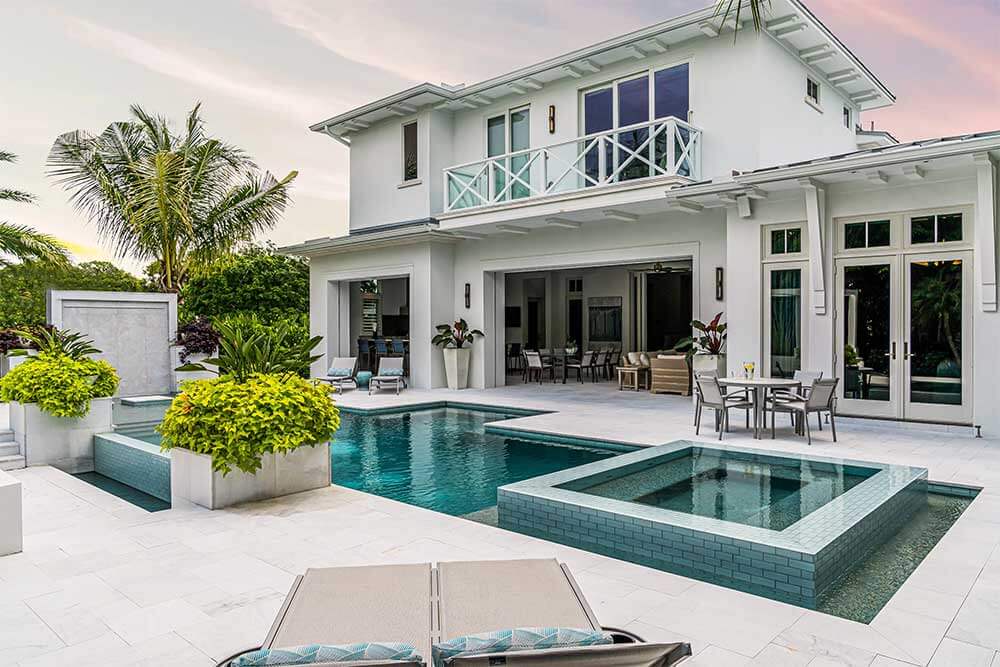
As Florida continues to embrace environmental consciousness, sustainable homes are becoming an integral part of the state’s architecture. With its unique climate and ecosystem, Florida homeowners are adopting innovative building practices that not only enhance energy efficiency but also create a harmonious relationship with the surrounding nature. This section delves into the key features that define sustainable Florida homes, highlighting the practices that contribute to a more eco-friendly lifestyle.
Sustainable Building Practices in Florida Home Construction
Sustainable building practices are essential for reducing the environmental impact of home construction in Florida. By utilizing materials and methods that promote energy efficiency and sustainability, Florida homeowners are making informed choices for their living spaces. Key sustainable building practices include:
- Use of Local Materials: Sourcing materials from local suppliers reduces transportation emissions and supports the local economy.
- Impact-Resistant Windows: Designed to withstand severe weather, these windows enhance energy efficiency while providing safety against storms.
- Insulation Techniques: Proper insulation helps in maintaining indoor temperatures, thereby reducing the reliance on heating and cooling systems.
- Green Roofs: These roofs reduce stormwater runoff and improve insulation, contributing to lower energy usage.
- Water Conservation Systems: Incorporating rainwater harvesting and greywater recycling systems promotes efficient water use.
Benefits of Energy-Efficient Appliances and Solar Panels
Integrating energy-efficient appliances and solar panels into Florida homes offers numerous advantages. These technologies not only reduce energy costs but also contribute to a sustainable lifestyle. Homeowners can experience the following benefits:
- Lower Utility Bills: Energy-efficient appliances consume less electricity, leading to significant savings over time.
- Increased Home Value: Homes equipped with solar panels and energy-efficient systems often have higher market value due to their reduced operating costs.
- Environmental Impact: Utilizing renewable energy sources like solar power decreases the carbon footprint and reliance on fossil fuels.
- Tax Incentives: Many homeowners benefit from federal and state tax credits for installing energy-efficient appliances and solar panels.
Implementing Eco-Friendly Landscaping
Eco-friendly landscaping plays a crucial role in complementing sustainable Florida homes. Homeowners can create beautiful outdoor spaces that conserve resources and promote biodiversity. Effective strategies for eco-friendly landscaping include:
- Drought-Resistant Plants: Choosing native and drought-resistant plants minimizes water usage and increases resilience to local climate conditions.
- Rain Gardens: These gardens help absorb excess rainwater, reducing runoff and promoting groundwater recharge.
- Composting Systems: Establishing composting can reduce waste and provide nutrient-rich soil for gardens.
- Organic Lawn Care: Avoiding chemical fertilizers and pesticides promotes a healthier ecosystem and protects local wildlife.
“Sustainable homes are not just about the materials used; they embody a lifestyle choice that prioritizes environmental stewardship.”
The Role of Homeowners Associations in Florida Communities
Homeowners Associations (HOAs) play a pivotal role in shaping the living experience within Florida communities. These organizations are established to manage and maintain common areas, enforce community rules, and enhance the overall quality of life for residents. Understanding their functions, regulations, and impact can help homeowners appreciate the benefits and responsibilities associated with living in an HOA-managed neighborhood.HOAs in Florida serve multiple functions that are essential to the smooth operation of residential communities.
Primarily, they focus on maintaining property values and ensuring a cohesive aesthetic throughout the neighborhood. This is achieved by enforcing rules and regulations that govern everything from landscaping to architectural modifications. Furthermore, HOAs often provide amenities such as pools, parks, and clubhouses, which enhance community engagement and social interaction among residents.
Functions and Benefits of Homeowners Associations
The benefits associated with HOAs are numerous, making them a valuable aspect of many Florida neighborhoods. These include:
- Maintenance of Common Areas: HOAs are responsible for the upkeep of shared facilities such as parks, sidewalks, and recreational amenities, ensuring these spaces remain clean and functional.
- Community Regulations: By establishing bylaws, HOAs create a framework that enhances neighborhood aesthetics and promotes property upkeep, thereby protecting homeowners’ investments.
- Conflict Resolution: HOAs often mediate disputes between neighbors, providing a structured approach to resolving conflicts that may arise within the community.
- Social Activities: Many HOAs organize events and activities, fostering community spirit and encouraging neighborly connections.
Common Rules and Regulations Imposed by HOAs
HOAs typically impose a variety of rules and regulations that homeowners must adhere to, which are designed to maintain standards within the community. Some common regulations include:
- Landscaping Guidelines: Requirements pertaining to lawn care, plant types, and overall yard maintenance to ensure a uniform appearance.
- Architectural Control: Restrictions on home modifications, such as external paint colors, fencing, and building additions, to preserve the neighborhood’s aesthetic.
- No Parking Rules: Regulations that restrict parking in certain areas or on specific types of vehicles to maintain safety and appearance.
- Pet Policies: Limitations on the number and types of pets allowed, often including guidelines on leashing and pet waste disposal.
Impact of HOAs on Property Values and Community Aesthetics
The presence of an HOA can significantly influence property values and the overall aesthetics of a community. By enforcing regulations that keep properties well-maintained and visually appealing, HOAs create an environment that attracts potential buyers and sustains property values.
Research indicates that homes within HOA-managed communities typically appreciate at a higher rate compared to those outside such governance, highlighting the financial benefits of living in organized neighborhoods.
In addition to enhancing property values, the aesthetic standards set by HOAs contribute to a sense of pride among residents. Well-maintained common areas and uniform home designs foster a visually appealing environment that can enhance the community’s reputation. Consequently, potential buyers often perceive HOA communities as desirable places to live, further driving demand and property value growth.
Navigating the Florida Real Estate Market
The Florida real estate market is vibrant and dynamic, characterized by diverse opportunities for buyers and investors alike. As one of the most popular states in the U.S. for relocation, the demand for homes has surged, influenced by factors such as climate, job growth, and lifestyle preferences. Understanding current market trends, financing options, and the unique challenges faced by first-time homebuyers is essential for anyone looking to make a move in this bustling market.
Current Trends in the Florida Real Estate Market
As of late 2023, the Florida real estate market continues to experience significant growth. Home prices have seen an upward trend, reflecting high demand and limited inventory, particularly in popular areas such as Miami, Orlando, and Tampa. The median home price in Florida has reached approximately $400,000, with some regions experiencing increases as high as 10-15% year over year. This demand is driven by both domestic buyers and an influx of out-of-state residents seeking warmer climates and lifestyle changes.
The Florida real estate market’s vitality is demonstrated by a competitive environment where homes often receive multiple offers shortly after listing.
Financing Options for Purchasing Homes in Florida
When it comes to financing a home purchase in Florida, various options are available to cater to different financial situations. These options include:
- Conventional Loans: Most buyers opt for conventional loans, which are not insured by the federal government and require a minimum down payment of 3-5%. They are ideal for those with good credit scores and stable income.
- FHA Loans: These are government-backed loans designed for first-time homebuyers or those with lower credit scores, allowing down payments as low as 3.5%.
- VA Loans: Available to veterans and active-duty military members, VA loans offer 0% down payment options and favorable terms, making homeownership more accessible.
- USDA Loans: For buyers looking in rural areas, USDA loans provide financing options with no down payment required, promoting homeownership in less densely populated regions.
Understanding these financing options is crucial for making informed decisions that suit individual financial situations and homeownership goals.
Challenges and Opportunities for First-Time Homebuyers in Florida
First-time homebuyers in Florida face a unique set of challenges and opportunities. The competitive market can be daunting, particularly in high-demand areas where bidding wars are common. However, there are resources and strategies that can help navigate this landscape.
While competition is fierce, first-time buyers can leverage programs designed to assist them, such as down payment assistance and first-time homebuyer workshops.
Key challenges include:
- Affordability: The rising home prices can be a barrier for many first-time buyers, limiting their options.
- Competition: A high volume of interested buyers can lead to bidding wars, pushing prices even higher.
- Understanding Market Dynamics: Navigating the nuances of the local market is crucial to making a successful purchase.
Despite these challenges, opportunities abound:
- Government Assistance Programs: Numerous state and local programs offer financial aid and resources for first-time homeowners.
- Growing Suburbs: Exploring emerging markets in suburban areas can reveal more affordable options.
- Negotiation Leverage: Buyers can take advantage of loan options that make their offers more attractive to sellers, such as pre-approval and flexible closing dates.
Equipped with the right information and support, first-time homebuyers can successfully navigate the Florida real estate market, turning their dream of homeownership into reality.
The Influence of Weather on Florida Home Design and Maintenance: Florida Homes
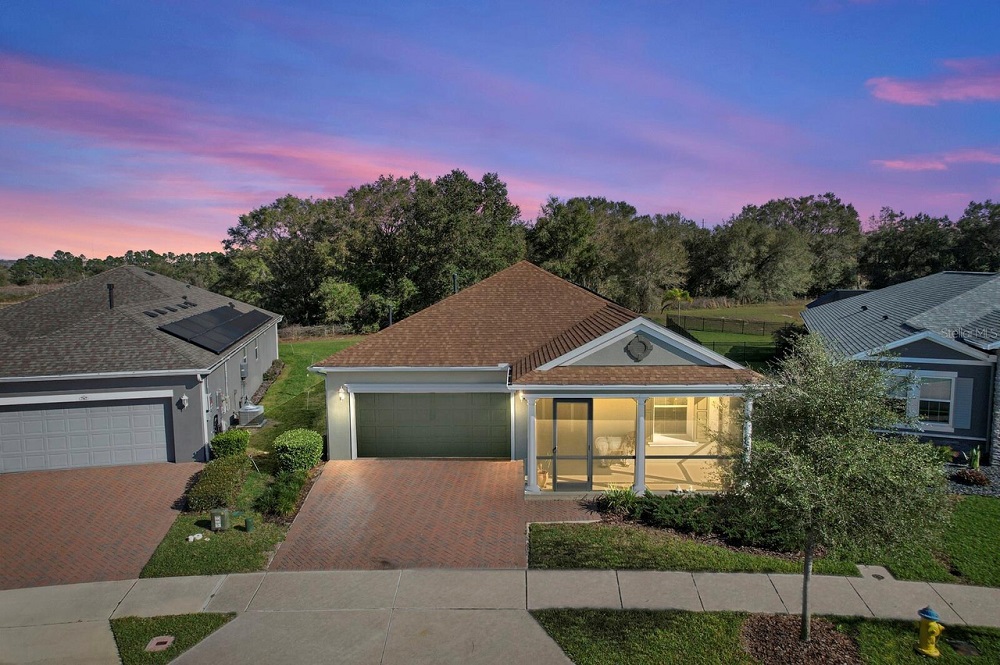
Florida’s unique weather patterns significantly shape the design and maintenance of homes throughout the state. The combination of high humidity, intense heat, and the risk of hurricanes necessitates specific construction choices and regular upkeep to ensure homes remain safe and durable. Understanding these factors is crucial for homeowners in Florida, as they can directly impact the longevity and functionality of their properties.The weather in Florida influences several aspects of home construction.
Due to the risk of hurricanes, many homes are built with reinforced structures, including impact-resistant windows and roofs designed to withstand strong winds. The high humidity levels also mean that materials must be resistant to mold and decay, leading to the use of treated wood and concrete in construction. Additionally, elevated foundations are common to prevent flooding during heavy rains.
Construction Choices and Materials
When constructing or renovating a home in Florida, it is essential to consider the local climate. Certain materials and design choices help combat the effects of weather. Here are some key considerations:
- Impact-Resistant Windows: These windows are designed to withstand hurricane-force winds and flying debris, providing security and energy efficiency.
- Roofing Materials: Metal and tile roofs are popular for their durability against wind and rain, compared to traditional shingles that may not hold up as well.
- Elevated Foundations: Homes are often built on pilings or elevated slabs to avoid flooding, especially in coastal regions.
- Mold-Resistant Materials: Using materials like treated wood, fiberglass, and mold-resistant drywall helps reduce moisture and prevent mold growth.
- Ventilation Systems: Proper ventilation is crucial to managing humidity levels inside the home, preventing heat buildup and moisture accumulation.
Regular maintenance is vital to ensure homes remain protected against Florida’s weather elements. By implementing preventative measures, homeowners can avoid costly repairs and enhance the lifespan of their properties.
Maintenance Tips for Florida Homes
To maintain a home effectively in Florida’s climate, homeowners should follow these essential tips:
- Regular Roof Inspections: Check for loose shingles or signs of wear, especially after storms, to prevent leaks and further damage.
- Clean Gutters and Drains: Keep gutters clear of debris to prevent water backup, which can lead to roof and foundation damage.
- Inspect and Treat for Mold: Regularly check for mold in high-humidity areas, such as bathrooms and basements, and promptly address any issues.
- Service HVAC Systems: Regular servicing ensures that air conditioning units work efficiently, maintaining air quality and humidity levels.
- Protect Outdoor Structures: Use weather-resistant materials for decks, fences, and patios to withstand Florida’s harsh sun and rain.
Insurance plays a critical role in safeguarding Florida homes against weather-related incidents. Given the high risk of hurricanes and severe storms, homeowners must have the right insurance coverage to protect against potential damages.
Importance of Insurance for Florida Homes
Having comprehensive insurance coverage is essential for homeowners in Florida. This ensures protection from damages caused by hurricanes, flooding, and other weather-related events. Consider the following aspects:
- Homeowners Insurance: This typically covers damage to the home and personal property but may require additional riders for hurricane and flood coverage.
- Flood Insurance: Standard homeowners insurance often does not cover flood damage, making separate flood insurance a necessity in flood-prone areas.
- Windstorm Insurance: In some cases, this insurance is required for homes in hurricane-prone regions to cover wind damage specifically.
- Regular Policy Reviews: Homeowners should review their insurance policies annually to ensure they have adequate coverage as property values and risks change.
- Understanding Deductibles: Higher deductibles may lower premiums, but it’s important to ensure that the deductibles are affordable in the event of a claim.
By considering these influences, making informed construction choices, performing regular maintenance, and securing proper insurance, homeowners in Florida can protect their homes and ensure their lasting value amidst the challenges posed by the state’s unique weather.
Exploring Florida’s Diverse Neighborhoods and Their Appeal

Florida is a state known for its vibrant neighborhoods, each offering a unique blend of culture, lifestyle, and amenities. Whether you’re drawn to the bustling energy of urban centers or the serene atmosphere of suburban enclaves, Florida’s communities cater to a variety of preferences and lifestyles. Understanding the distinct characteristics of these neighborhoods can help potential homeowners find the perfect match for their needs and desires.Florida’s neighborhoods range from the high-rise buildings and nightlife of Miami to the theme park capital of Orlando, and the waterfront charm of Tampa.
Each area presents its own set of advantages, making it essential to explore what they offer. Below is a deeper dive into the lifestyles and amenities that make these neighborhoods appealing.
Characteristics of Urban and Suburban Neighborhoods, Florida homes
Urban neighborhoods in Florida, such as those found in Miami, are characterized by their vibrant cultural scene, diverse populations, and abundant amenities. These areas typically feature:
- Accessibility: Proximity to public transport, major highways, and employment centers enhances convenience.
- Entertainment Options: A plethora of restaurants, bars, theaters, and art galleries contribute to a lively social scene.
- Community Events: Regular festivals, farmers markets, and cultural events foster a close-knit community spirit.
In contrast, suburban areas such as those in Orlando and Tampa provide a more laid-back lifestyle, with features including:
- Family-Friendly Environment: Many suburban neighborhoods emphasize safety, parks, and good schools, making them ideal for families.
- Spacious Homes: Larger properties and backyards allow for outdoor activities and gardening, appealing to those who appreciate space.
- Community Amenities: Suburbs often have community centers, pools, and recreational spaces that encourage neighborhood interaction.
Popular Areas: Miami, Orlando, and Tampa
Living in some of Florida’s most popular urban areas comes with unique benefits, making them highly sought after. Here’s a quick comparison of what each city offers:
| City | Urban Appeal | Suburban Benefits |
|---|---|---|
| Miami | Vibrant nightlife, art deco architecture, and cultural diversity. | Suburban neighborhoods like Coral Gables provide a quieter lifestyle with lush greenery. |
| Orlando | World-famous theme parks, family entertainment, and a growing tech scene. | Suburbs such as Lake Nona are known for their planned communities and excellent schools. |
| Tampa | Rich history, a waterfront lifestyle, and a strong sports culture. | Suburban areas like South Tampa boast upscale shopping and dining, along with top-rated schools. |
In summary, Florida’s diverse neighborhoods encompass a wide range of lifestyles, catering to different preferences and needs. From the energetic urban environments of Miami to the family-oriented suburbs of Orlando and the charm of Tampa, each area offers its own unique appeal, making Florida a compelling place to call home.
Closing Summary
In conclusion, exploring florida homes reveals a captivating blend of unique architecture, outdoor amenities, and sustainable practices that define the region’s living experience. Whether you’re drawn to the charm of a historic neighborhood or the bustling energy of urban settings, Florida homes offer something for everyone. As you contemplate your next home, consider how these elements come together to create a vibrant living environment that truly embodies the Florida lifestyle.
Question & Answer Hub
What are common architectural styles in Florida homes?
Common styles include Mediterranean, Colonial, and Mid-Century Modern, each reflecting the state’s unique culture and climate.
Are outdoor living spaces important in Florida homes?
Yes, outdoor spaces like patios and pools are highly valued for enhancing lifestyle and home value in Florida.
What are some key sustainable features in Florida homes?
Energy-efficient appliances, solar panels, and eco-friendly landscaping are popular sustainable practices in Florida home construction.
How do homeowners associations affect Florida properties?
HOAs help maintain community standards, which can positively impact property values and aesthetics.
What should first-time buyers know about the Florida real estate market?
First-time buyers should be aware of current market trends, financing options, and potential challenges unique to Florida.