Mobile homes for sale offer a unique blend of affordability and flexibility, making them an appealing choice for many buyers today. These homes have evolved significantly over the years, adapting to changing lifestyles and economic factors, and now represent a diverse range of options suited for various needs and preferences. Whether you’re a first-time buyer or looking to downsize, understanding the landscape of mobile homes can open up exciting opportunities.
From understanding their basic features and types to exploring current market trends, this guide provides a comprehensive overview of mobile homes. As we delve into the pros and cons of living in a mobile home, financing options, and key factors to consider before making a purchase, you’ll discover valuable insights that can help you navigate this growing market.
Understanding the Basics of Mobile Homes
Mobile homes, often referred to as manufactured homes, are pre-fabricated dwellings built in a factory and then transported to a designated site. This type of housing has gained popularity due to its affordability and versatility. Unlike traditional homes, mobile homes are constructed according to specific federal standards set by the Department of Housing and Urban Development (HUD), ensuring safety and quality.
One of the key features of mobile homes is their ability to be moved from one location to another, providing flexibility for homeowners. Additionally, mobile homes often come in various sizes and layouts, allowing buyers to choose according to their needs and preferences. Mobile homes are categorized into different types based on their design and construction. The primary types include single-section homes, also known as single-wides, which are typically narrower and easier to transport, and multi-section homes, or double-wides, which offer more space and can be configured into various room layouts.
There are also triple-wide homes, providing even larger living spaces, and modular homes, which are similar but built to standards that allow for permanent placement on a foundation. Understanding these types helps prospective buyers make informed decisions based on space requirements and budget considerations.
Historical Context and Evolution of Mobile Homes
The history of mobile homes dates back to the early 20th century, with the advent of the first travel trailers and house trailers. Initially designed for travel and recreation, these early models laid the groundwork for what would eventually evolve into modern mobile homes. The post-World War II era saw a significant shift in the mobile home industry, as returning veterans sought affordable housing solutions.
This period led to the mass production of mobile homes, making them accessible to a broader audience. In the 1970s, the mobile home industry underwent substantial changes with the introduction of federal regulations, focusing on safety standards and construction quality. This era also marked the transition from the term “trailer” to “manufactured home,” reflecting a shift in public perception and the quality of these dwellings.
Today, mobile homes are recognized as a viable housing option, often featuring modern amenities and energy-efficient designs. The evolution of mobile homes has resulted in a diverse market that caters to various lifestyles, from retirees seeking affordable living to families looking for spacious accommodations.
Current Trends in the Mobile Home Market
The mobile home market has seen a notable transformation in recent years, driven by a combination of economic factors, shifting demographic preferences, and changing societal attitudes towards affordable housing. As housing prices continue to soar, more individuals and families are looking for viable alternatives, with mobile homes emerging as a popular choice.One prominent trend is the increasing acceptance of mobile homes as a legitimate housing solution.
Once stigmatized, today’s mobile homes are being recognized for their affordability, efficiency, and modern design. As builders innovate with contemporary layouts, energy-efficient materials, and smart home technologies, these homes have become appealing to a diverse range of buyers. Moreover, the rise of remote work has allowed people to seek housing in rural areas, where mobile home parks and communities are becoming attractive options.
Demographic Groups Driving Demand, Mobile homes for sale
The demand for mobile homes is significantly influenced by several demographic groups. First-time homebuyers, particularly millennials and Gen Z, are increasingly drawn to mobile homes due to their cost-effectiveness. With student debt and high living expenses, many younger buyers are prioritizing affordability and flexibility over traditional homeownership. Another demographic contributing to the trend is retirees seeking downsized living options. Many older adults are looking to simplify their lives and reduce maintenance costs, prompting them to explore mobile home communities that offer both a sense of community and convenience.
Families seeking affordable housing solutions are also a key demographic. As housing prices escalate in urban areas, mobile homes provide a feasible option for those looking for spacious living arrangements without the prohibitive costs associated with traditional homes.
Economic Factors Impacting Purchasing Decisions
Economic conditions play a crucial role in mobile home purchasing decisions. Rising interest rates and the current inflationary environment have made mortgage financing less accessible for many, leading to an increased interest in mobile homes as an affordable alternative. The following economic factors are particularly influential:
- Affordability: With the national median home prices exceeding $400,000, mobile homes often represent a fraction of that cost, making them a more attainable option for buyers.
- Financing Options: Financial institutions have begun to offer more favorable loan terms for mobile home purchases, including lower down payment requirements and competitive interest rates, making them more accessible to a broader audience.
- Economic Mobility: As remote work becomes more prevalent, individuals are moving away from high-cost urban centers, looking for affordable housing, which mobile homes provide in suburban and rural settings.
The convergence of these trends highlights a growing acknowledgment of mobile homes as a practical housing solution. The revitalization of the mobile home image, coupled with economic pressures, underscores the evolving landscape of the housing market, where mobile homes stand out as a viable choice for many seeking comfort and affordability.
Pros and Cons of Living in a Mobile Home

Living in a mobile home can be an appealing choice for many individuals and families seeking affordable housing solutions. However, like any other housing option, it has its own set of pros and cons that potential buyers should carefully consider. Understanding these factors can help you make an informed decision about whether mobile home living suits your lifestyle and financial situation.
Advantages of Mobile Home Living
Mobile homes offer several benefits that can enhance the quality of life while providing financial savings. The following points highlight the key advantages:
- Affordability: Mobile homes generally cost significantly less than traditional houses. The lower purchase price allows for reduced mortgage payments and can free up funds for other necessities.
- Flexibility: The ability to relocate is a major advantage. Mobile homes can be moved to different locations if desired, offering a unique flexibility that traditional homes do not.
- Lower Utility Costs: Many mobile homes are more energy-efficient, leading to reduced utility bills compared to larger traditional homes.
- Community Living: Many mobile home parks foster a sense of community, providing social opportunities and shared amenities that can enhance the living experience.
- Less Maintenance: Mobile homes typically require less maintenance than traditional homes due to their simpler design and smaller size.
Disadvantages of Mobile Home Living
While there are numerous advantages, there are also challenges to consider when it comes to mobile home living:
- Depreciation: Unlike traditional homes, which often appreciate in value, mobile homes tend to depreciate, potentially leading to financial loss over time.
- Financing Challenges: Obtaining loans for mobile homes can be more complicated and may come with higher interest rates compared to traditional mortgages.
- Limited Land Ownership: Many mobile homes are situated in parks where residents do not own the land, which can lead to rental fees and restrictions on modifications.
- Construction Quality: Some mobile homes may be built with lower-quality materials, affecting durability and long-term livability.
- Resale Value Issues: Selling a mobile home can be challenging, as the market for used mobile homes is often smaller and less lucrative than that for traditional homes.
Financial Implications of Investing in Mobile Homes
Investing in mobile homes can offer unique financial benefits compared to traditional real estate. Key aspects include:
Mobile homes typically have lower upfront costs, but their value may decrease over time.
Many buyers can purchase mobile homes with cash or lower loans, minimizing debt. Additionally, the potential for monthly savings on both mortgage and utility costs makes mobile homes an attractive option for budget-conscious individuals.
Comparison of Lifestyle Differences
The lifestyle of mobile home residents can vary significantly from that of traditional homeowners. This side-by-side comparison illustrates these differences:
| Aspect | Mobile Home Residents | Traditional Homeowners |
|---|---|---|
| Cost of Living | Generally lower, allowing for more disposable income | Higher, often requiring larger mortgage payments |
| Community | Often part of a close-knit community in parks | Varies; may not have the same sense of community |
| Mobility | Can easily relocate if necessary | Typically tied to one location |
| Maintenance | Generally less maintenance required | May involve significant upkeep and repairs |
| Investment | Potential for depreciation | Generally appreciates, building equity over time |
Financing Options for Mobile Homes
When considering the purchase of a mobile home, understanding the financing options available is crucial. Mobile homes often require different financing methods compared to traditional homes, which can affect the terms and conditions of your loan. This guide will explore the various financing avenues open to potential mobile home buyers, the distinctions between mobile home loans and conventional mortgages, and tips for enhancing your chances of securing loan approval.
Various Financing Methods for Mobile Homes
Mobile home financing can involve several options, often tailored to the unique characteristics of mobile homes. Here are the primary methods:
- Chattel Loans: These are personal loans specifically designed for mobile homes that are not permanently affixed to land. Chattel loans typically have shorter terms and higher interest rates compared to traditional mortgages.
- FHA Loans: The Federal Housing Administration (FHA) offers loans for mobile homes that meet certain criteria, including those that are permanently located on a foundation. FHA loans can be advantageous due to their lower down payment requirements and competitive interest rates.
- VA Loans: If you are a veteran or active military personnel, you may qualify for a VA loan, which can be used for purchasing mobile homes. VA loans often come with no down payment and favorable terms.
- Conventional Loans: Some lenders offer conventional loans for mobile homes that are attached to land. The terms and rates will generally resemble those of traditional mortgage loans, depending on the lender and your financial profile.
- Personal Loans: For those who may not qualify for specific mobile home loans, personal loans can be an alternative. However, they usually come with higher interest rates and shorter repayment periods.
Each option has its advantages and disadvantages, and it’s essential to assess which type aligns best with your financial situation and the specifics of the mobile home you wish to purchase.
Differences Between Mobile Home Loans and Traditional Mortgages
Mobile home loans differ significantly from traditional mortgages in several aspects. Understanding these distinctions can help borrowers make informed decisions regarding their financing.
- Collateral: Traditional mortgages are secured by real property, whereas mobile home loans are often secured by the mobile home itself, especially when it is not affixed to land.
- Loan Terms: Mobile home loans often have shorter terms, typically ranging from 15 to 20 years, compared to 30 years for traditional mortgages.
- Interest Rates: The interest rates for mobile home loans may be higher due to the perceived risk by lenders. This is particularly true for chattel loans.
- Down Payment Requirements: Mobile home loans, especially FHA and VA loans, may require lower down payments than traditional mortgages, making them more accessible for first-time buyers.
Understanding these differences can help potential buyers navigate their options more effectively.
Improving Chances of Loan Approval for Mobile Homes
Securing financing for a mobile home can sometimes be challenging. However, there are several strategies to enhance your chances of loan approval.
- Maintain a Good Credit Score: A higher credit score often leads to better loan terms. It’s advisable to check your credit report for errors and work on improving your score prior to applying.
- Provide Accurate Documentation: Lenders will require various documents, including proof of income, tax returns, and details about the mobile home. Having these documents organized can streamline the approval process.
- Consider a Larger Down Payment: Offering a larger down payment can reduce the lender’s risk and may improve your chances of approval.
- Choose the Right Lender: Not all lenders are the same. Research lenders who specialize in mobile home financing and compare their terms to find the best fit for your needs.
- Be Realistic About Your Budget: Ensure that your financial situation aligns with the loan amount you’re seeking. Borrowing within your means can enhance your creditworthiness in the eyes of lenders.
By employing these strategies, prospective buyers can boost their chances of securing financing for their mobile home purchase.
Key Factors to Consider When Buying a Mobile Home: Mobile Homes For Sale
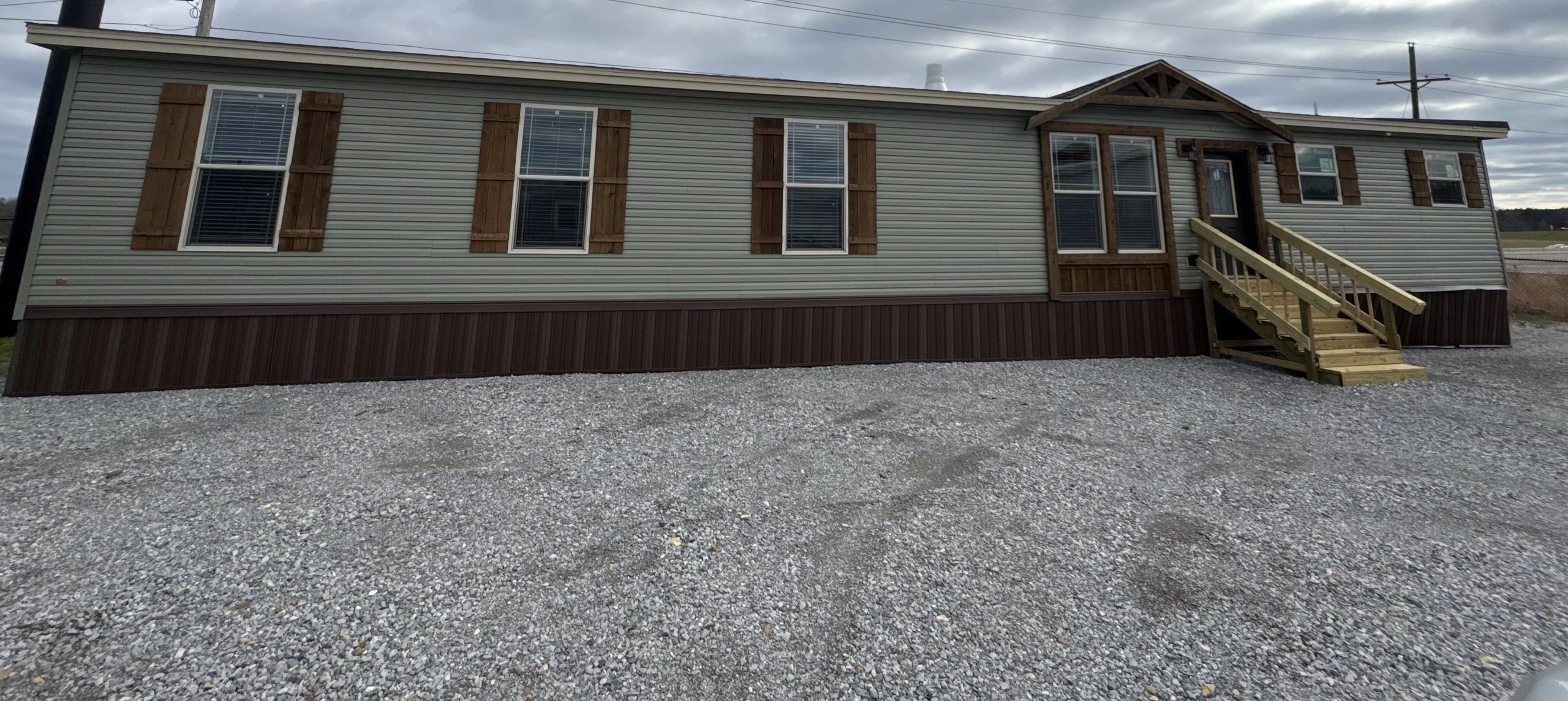
Purchasing a mobile home can be an exciting yet daunting experience. Before making such a significant investment, it’s crucial to evaluate various factors that can influence your decision and long-term satisfaction. This comprehensive assessment ensures you choose the right mobile home that meets your needs and expectations.One of the first aspects to consider is the condition of the mobile home. Many older models may require updates or repairs that could lead to unforeseen expenses.
Buyers should conduct a thorough inspection to identify any potential issues, such as plumbing, electrical systems, or structural integrity. It’s advisable to hire a professional inspector who specializes in mobile homes to get an accurate assessment.
Important Features and Amenities
When considering the features and amenities of a mobile home, it’s essential to look for aspects that enhance comfort, functionality, and quality of life. Buyers should prioritize the following elements:
- Layout and Size: Consider the floor plan and available space. A well-designed layout can significantly impact day-to-day living.
- Energy Efficiency: Look for homes with good insulation, energy-efficient windows, and modern heating and cooling systems to reduce utility costs.
- Kitchen and Bathroom Quality: Upgraded kitchens and bathrooms with modern fixtures can enhance your living experience and potentially increase resale value.
- Outdoor Space: Assess the availability and condition of decks, porches, or yards that can provide additional living space and recreational opportunities.
- Storage Solutions: Adequate storage options, including closets and cabinets, can help keep your living space organized.
The location of the mobile home plays a vital role in its overall value and desirability. A prime location can offer numerous benefits, such as access to schools, shopping, and recreational facilities. Buyers should consider the following when evaluating location:
- Community and Neighbors: Investigating the neighborhood can provide insights into the community’s safety, amenities, and overall vibe.
- Proximity to Work and Schools: Convenient access to employment centers and educational institutions can improve quality of life and reduce commute times.
- Future Development: Researching potential future developments in the area can help predict whether property values will appreciate or decline.
- Availability of Utilities: Ensure that essential services such as water, electricity, and internet are readily accessible.
In conclusion, carefully evaluating these key factors can help ensure a successful mobile home purchase that aligns with your lifestyle and financial goals.
Maintenance and Upkeep of Mobile Homes
Routine maintenance is crucial for ensuring that mobile homes remain in good condition over the years. Unlike traditional homes, mobile homes require specific care due to their unique construction and materials. Regular upkeep helps to prevent costly repairs down the line and can significantly extend the lifespan of your mobile home. Mobile homes are designed to be durable, but the elements can take a toll over time.
To keep everything running smoothly, homeowners need to perform routine maintenance tasks consistently. Proper care not only enhances the comfort and safety of the home but also protects the investment made in it. Here are some essential maintenance tasks and tips for mobile homes:
Routine Maintenance Tasks for Mobile Homes
Establishing a regular maintenance schedule is key to avoiding major issues. Here are some tasks that should be performed at least once a year:
- Inspect the Roof: Check for leaks, missing shingles, or signs of wear. A well-maintained roof prevents water damage and extends the life of your home.
- Check the Skirting: Ensure that the skirting around the base of the mobile home is intact to prevent pest infestations and maintain insulation.
- Examine Windows and Doors: Inspect seals and caulking for air leaks. Replace any damaged weather stripping to improve energy efficiency.
- Clean Gutters and Downspouts: Clogged gutters can cause water damage. Regular cleaning prevents water buildup and protects the foundation.
- Inspect Plumbing: Look for leaks under sinks and around toilets. Promptly fix any issues to prevent further damage and mold growth.
- Check Heating and Cooling Systems: Maintain HVAC systems by changing filters regularly and scheduling professional servicing to ensure efficient operation.
Taking the time to perform these tasks can save homeowners from expensive repairs and enhance the comfort of living in a mobile home.
Increasing the Lifespan of a Mobile Home
Proper care and maintenance significantly contribute to extending the life of your mobile home. Here are some effective tips to achieve this:
- Regular Inspections: Conduct thorough inspections to spot issues early, addressing them before they escalate.
- Quality Upgrades: When making repairs or renovations, opt for high-quality materials designed for mobile homes. This ensures durability and better performance.
- Seasonal Preparations: Prepare your home for seasonal changes, such as insulating pipes in winter and checking air conditioning units before summer.
- Keep the Home Clean: Regular cleaning, both inside and outside, prevents the buildup of dirt, mold, and pests that can cause damage.
- Maintain Landscaping: Keep trees and shrubs trimmed away from the home to prevent branches from causing damage and minimize the risk of pests.
Implementing these practices not only maintains the aesthetic appeal but also ensures the structural integrity of the home.
Common Repairs and Issues Faced by Mobile Home Owners
While mobile homes are built to last, they are not immune to common repairs and issues. Addressing these promptly is essential for keeping the home in top shape:
- Roof Repairs: Roof leaks are a common issue, often caused by severe weather or age. Regular inspections can help catch these problems early.
- Flooring Issues: Water damage can lead to sagging or soft spots in flooring. Promptly addressing leaks and maintaining humidity levels can mitigate this.
- Pest Infestations: Mobile homes can be susceptible to pests like termites or rodents. Regular inspections and preventive measures are critical.
- Electrical Problems: Issues with wiring or outlets can occur, especially in older models. Routine checks ensure safety and compliance with standards.
Understanding these common problems and performing regular maintenance helps in safeguarding your investment and enhancing the longevity of your mobile home.
The Role of Mobile Home Parks
Mobile home parks play a crucial part in the housing landscape, providing affordable living options for many individuals and families. These parks serve as communities where residents can enjoy a sense of belonging while benefiting from the lower costs associated with mobile home living. The significance of mobile home parks extends beyond just housing; they often act as social hubs that foster interaction among residents, contributing to enhanced community life.The primary function of mobile home parks is to offer designated spaces for mobile homes, which can be either rented or owned.
In a rented space arrangement, residents pay a monthly fee to lease the land where their mobile home is situated. This option is appealing to those who may not have the upfront capital to purchase land outright. Conversely, owning a lot within a mobile home park entails a significant initial investment but can lead to long-term stability and potential appreciation in property value.
The choice between these options depends on individual circumstances, financial capacity, and lifestyle preferences.
Understand how the union of home houses can improve efficiency and productivity.
Differences Between Owned Lots and Rented Spaces
Understanding the distinctions between owned lots and rented spaces is essential for potential mobile home buyers. Both options have their advantages and disadvantages, which can influence resident satisfaction and long-term comfort.
The following points Artikel the key differences:
- Financial Commitment: Owning a lot generally requires a larger upfront investment, whereas renting usually involves a more manageable monthly payment.
- Stability and Security: Lot ownership provides a sense of permanence and control, while renters may face lease renewals and potential rent increases.
- Maintenance Responsibilities: Owners often take on full responsibility for upkeep, whereas renters may have maintenance covered by the park management.
- Property Value: An owned lot can appreciate in value, contributing to long-term financial growth, while rented spaces typically do not offer this benefit.
Community Aspects of Living in Mobile Home Parks
The community dynamics within mobile home parks significantly impact resident satisfaction. Many parks are designed with communal areas such as playgrounds, clubhouses, or gardens, which encourage social interaction among residents. These facilities not only provide recreational opportunities but also facilitate connections among neighbors.
Social events organized by park management or residents themselves can further enhance community bonds. Examples include:
- Seasonal gatherings and holiday celebrations
- Workshops or classes for skill-sharing
- Outdoor movie nights or potluck dinners
Engagement in such activities fosters a supportive environment where residents can build relationships and feel connected. This sense of community can lead to higher levels of satisfaction and improved quality of life for those living in mobile home parks.
“Being part of a community can often make the difference between merely living and truly enjoying life in a mobile home park.”
Legal Considerations for Mobile Home Buyers
Purchasing a mobile home is an exciting journey, but it comes with a unique set of legal considerations that potential buyers must navigate. Understanding the laws and regulations governing mobile home ownership is crucial to ensuring a smooth transaction and protecting your investment. This section delves into the essential legal aspects that every mobile home buyer should be aware of.
Regulations and Zoning Laws
Mobile home buyers must familiarize themselves with local regulations and zoning laws, which can significantly impact home ownership. These laws vary by state and locality, so it’s essential to conduct thorough research. Several key regulations include:
- Zoning regulations: Local zoning laws dictate where mobile homes can be placed. Some areas may prohibit mobile homes entirely, while others may require them to be located in designated mobile home parks or specific zones.
- Building codes: Mobile homes must conform to the standards set by the U.S. Department of Housing and Urban Development (HUD). These codes cover construction, safety, and energy efficiency, ensuring that the home is safe and habitable.
- Land ownership: If the mobile home is situated on purchased land, buyers need to verify ownership rights and ensure that the land is zoned for mobile home use.
- Taxes and fees: Local governments may assess property taxes on mobile homes, and there may be additional fees related to utilities, maintenance, and community services within mobile home parks.
Understanding these regulations helps buyers avoid legal complications that could arise after purchase.
“Knowledge of zoning laws and local regulations is paramount to secure a successful mobile home purchase.”
Lease Agreements in Mobile Home Parks
For those considering placing their mobile home within a mobile home park, understanding lease agreements is vital. These agreements Artikel the terms of residency and can affect every aspect of living in the community.Key points regarding lease agreements include:
- Length of lease: The lease may vary in duration, often ranging from month-to-month to multi-year terms, influencing the stability of your living situation.
- Rent costs: Monthly rent can change over time, and it’s essential to understand how often and by how much the park management can adjust these rates.
- Rules and regulations: Lease agreements often contain specific rules about property maintenance, guest policies, and community behavior. Violating these rules can lead to penalties or eviction.
- Termination clauses: It’s crucial to review how either party can terminate the lease, including notice periods and conditions that could lead to eviction.
Reviewing lease agreements thoroughly before signing is essential to protect yourself as a tenant and ensure you understand all terms and conditions.Understanding the legal landscape of mobile home ownership not only aids buyers in making informed decisions but also helps prevent future disputes and issues. The combination of local regulations and comprehensive lease agreements forms the backbone of a secure mobile home investment.
Ending Remarks

In conclusion, mobile homes for sale represent not just a housing option, but a lifestyle choice that caters to diverse needs. With a clear understanding of the market trends, financial considerations, and the crucial factors to evaluate, potential buyers can make informed decisions. As you explore the possibilities within mobile home living, remember that this path offers both community and convenience, making it a worthwhile consideration for many.
Helpful Answers
What are mobile homes made of?
Mobile homes are typically constructed using steel frames, wood, and a variety of materials for insulation and finishing, making them durable yet lightweight.
How do I maintain a mobile home?
Regular maintenance includes checking for water leaks, ensuring the roof and windows are sealed, and performing routine inspections on plumbing and electrical systems.
Can I finance a mobile home like a traditional house?
Yes, but financing options differ; mobile homes can be financed through specialized loans or personal loans, which may have different terms than traditional mortgages.
What is the average cost of a mobile home?
The average cost of a mobile home varies widely, but as of recent data, prices can range from $50,000 to over $100,000 depending on size, features, and location.
Are mobile homes considered real estate?
Mobile homes can be considered real estate when they are permanently affixed to a foundation and the land on which they sit is owned; otherwise, they may be classified as personal property.