Buy luxury homes takes center stage in today’s real estate market, where the allure of opulence meets practical investment opportunities. Luxury homes not only provide a lavish lifestyle but also offer significant financial benefits that can enhance one’s portfolio. With the increasing demand for high-end properties, understanding the intricacies of this market becomes essential for prospective buyers looking to make informed decisions.
Investing in luxury real estate is not just about owning a beautiful house; it’s about securing a valuable asset that can appreciate over time. With potential rental income and a status symbol that comes with luxury properties, buyers are drawn to this exclusive segment of the market. Moreover, as trends shift, new opportunities arise, making it crucial for buyers to stay updated on market dynamics.
The Benefits of Investing in Luxury Homes
Investing in luxury homes offers an array of financial advantages that can significantly enhance your wealth portfolio. These properties not only provide a lavish lifestyle but also serve as a strategic investment opportunity. As the real estate market continues to evolve, luxury homes have proven to be a stable and lucrative asset class. The financial advantages of purchasing luxury properties are manifold.
Luxury homes often appreciate at a faster rate compared to standard residential properties, primarily due to their exclusive locations and unique features. According to a report by Knight Frank, luxury real estate prices have consistently outpaced the general market, with premium properties in sought-after regions experiencing growth rates of 10% or more annually. This appreciation makes luxury homes a solid investment for those looking to grow their wealth over time.
Furthermore, luxury properties typically attract affluent buyers who are less affected by market fluctuations, providing a sense of security during economic downturns.
Luxury Homes as a Status Symbol in Society
Owning a luxury home is often seen as a symbol of success and affluence. These properties are not just residences; they represent a lifestyle that many aspire to achieve. High-end homes, with their exquisite design, high-quality materials, and premium locations, convey a sense of prestige. For instance, a luxury property in Beverly Hills or Manhattan not only offers a lavish living space but also reflects the owner’s social status and achievements.The impact of luxury homes as status symbols can be observed in various social settings, where owning such properties often leads to networking opportunities and connections with other high-net-worth individuals.
This social capital can enhance personal and professional relationships, further adding to the appeal of investing in luxury real estate.
Potential Rental Income from Luxury Real Estate
Investing in luxury homes can also provide a lucrative source of rental income. The high demand for high-end rental properties in desirable locations allows owners to charge premium rates. For example, luxury vacation rentals in tourist hotspots like Miami or Aspen can command nightly rates that range from $500 to several thousand dollars, depending on the property’s features and amenities.
Moreover, luxury homes often attract long-term renters, such as corporate executives or affluent individuals seeking temporary residences. A well-located luxury property can generate substantial rental income, allowing owners to cover mortgage payments and even turn a profit. In addition, many luxury properties come with amenities that command higher rents—such as pools, fitness centers, and proximity to high-end shopping and dining.In summary, the financial benefits of investing in luxury homes are significant, ranging from property appreciation and rental income to the social prestige associated with ownership.
These factors make luxury homes an appealing option for discerning investors.
Understanding the Luxury Real Estate Market Trends

The luxury real estate market is a dynamic landscape that reflects broader economic trends, changing buyer preferences, and global events. As buyers increasingly seek not just a home but a lifestyle, understanding the current market trends is essential for informed decision-making. This segment dives into the various factors shaping the luxury home market, providing valuable insights for potential buyers.Current market trends show a shift in buyer demographics, with millennials and younger generations entering the luxury market.
These buyers prioritize sustainability, technology, and community-centric amenities when selecting a property. Furthermore, the rise of remote work has driven interest in secondary markets, where larger homes offer more space and location flexibility.
Market Influences on Luxury Home Purchases
Several factors are shaping the luxury home market today. These influences include economic conditions, interest rates, and lifestyle changes. Below are key trends that are currently affecting luxury home purchases:
- Economic Recovery: Post-pandemic recovery has buoyed high-net-worth individuals, increasing their purchasing power and expediting luxury home sales.
- Low Mortgage Rates: Historically low interest rates have made financing luxury properties more attractive, leading to higher demand.
- Globalization: Wealth from international buyers has driven competition in luxury markets, particularly in cities like Miami, Los Angeles, and New York.
- Technology Integration: Homes equipped with smart technology and energy-efficient features are sought after, as they provide convenience and sustainability.
- Desire for Space: The pandemic has increased the demand for larger homes with private outdoor spaces, as buyers seek comfort and a retreat from urban settings.
Statistics on Luxury Home Sales
Examining luxury home sales over the past decade reveals significant trends. According to reports from the National Association of Realtors, luxury home sales, defined as properties priced above $1 million, have seen consistent growth.
- In 2020, luxury home sales increased by 20% despite the pandemic challenges, highlighting the resilience of this market segment.
- By 2021, the luxury market surged again, with sales volume reaching an all-time high, driven largely by high-net-worth individuals seeking to invest in real estate.
- Data from Zillow indicates that the average sales price for luxury homes has risen approximately 15% annually for the past five years.
Emerging Luxury Markets to Consider
The luxury real estate market is not confined to traditional hotspots. Emerging markets are gaining traction among buyers looking for investment opportunities or vacation homes. Notable emerging luxury markets include:
- Asheville, North Carolina: Known for its stunning mountain views and vibrant arts scene, Asheville has become a sought-after destination for luxury homebuyers.
- Tulum, Mexico: With its pristine beaches and eco-friendly developments, Tulum is attracting luxury buyers looking for a tropical escape and investment potential.
- Lisbon, Portugal: The warm climate, rich culture, and favorable tax incentives make Lisbon an appealing market for European luxury buyers.
- Charleston, South Carolina: With its historic charm and coastal lifestyle, Charleston has seen a rise in luxury home purchases, particularly among those seeking a slower-paced life.
“Investing in luxury real estate offers not just a home but a lifestyle that many aspire to achieve. Understanding market trends is vital for making informed decisions.”
Key Features to Look for When Buying Luxury Homes: Buy Luxury Homes
When considering the purchase of a luxury home, discerning buyers should pay careful attention to specific features that define the quality and value of these high-end properties. From architectural designs to prime locations, luxury homes offer unique elements that appeal to affluent buyers and can significantly impact the investment’s potential. Understanding the key features of luxury homes can enhance the buying experience, ensuring that you choose a property that not only meets your needs but also serves as a sound financial investment.
The following aspects are crucial to consider:
Architectural Styles and Designs
The architectural style of a luxury home contributes greatly to its aesthetic appeal and overall value. Various styles embody sophistication, elegance, and exclusivity. Some notable designs include:
- Modern: Characterized by clean lines, minimalism, and open spaces, modern homes often feature large windows and innovative materials.
- Traditional: These homes exude charm and timelessness, often incorporating classic elements such as brick facades and detailed moldings.
- Contemporary: A blend of old and new, contemporary homes are dynamic in design and can adapt to various styles, utilizing sustainable materials.
- Mediterranean: Featuring stucco exteriors, tile roofs, and arched doorways, these homes evoke warmth and relaxation, reminiscent of coastal living.
- Colonial: With symmetrical facades, large porches, and classical proportions, colonial homes provide an elegant and stately presence.
Each architectural style can reflect personal taste and lifestyle, making it essential to choose one that resonates with your vision of luxury living.
Importance of Location and Neighborhood Amenities
The location of a luxury home plays a pivotal role in its desirability and potential return on investment. A prime location offers not just scenic views but also access to a range of amenities that enhance the quality of life. Key factors include:
- Proximity to Major Cities: Homes situated near urban centers often provide access to top-tier dining, shopping, and cultural experiences, appealing to discerning buyers.
- Safety and Security: Gated communities and low crime rates are essential for luxury buyers, adding peace of mind to the living experience.
- Educational Institutions: Access to highly-rated schools and universities can significantly enhance a neighborhood’s allure, especially for families.
- Recreational Opportunities: Proximity to parks, golf courses, and waterfronts can elevate lifestyle offerings, appealing to active buyers.
- Cultural and Social Attractions: Nearby art galleries, theaters, and community events enrich the living experience, making a location more desirable.
A well-chosen location not only elevates the living experience but also solidifies the home’s investment potential.
High-End Finishes and Features
Luxury homes are often distinguished by exceptional finishes and features that not only enhance comfort but also increase overall value. Here are some examples of sought-after elements:
- Gourmet Kitchens: High-end appliances, stone countertops, and custom cabinetry are hallmarks of luxury kitchens that elevate culinary experiences.
- Smart Home Technology: Integrated systems for security, lighting, and climate control add convenience and modernity to luxury living.
- Outdoor Living Spaces: Features like expansive decks, outdoor kitchens, and landscaped gardens create inviting areas for entertainment and relaxation.
- Luxury Bathrooms: Spa-like features, including soaking tubs, rainfall showers, and heated floors, enhance comfort and indulgence.
- Custom Designed Interiors: Tailored finishes, such as hand-crafted millwork and designer lighting, showcase attention to detail and elevate the home’s aesthetic appeal.
These high-end finishes not only provide immediate enjoyment but can also lead to increased valuation, making them essential considerations for potential buyers.
Financing Options for Purchasing Luxury Properties
When it comes to purchasing luxury homes, understanding the financing options available is crucial for buyers. The unique nature of these properties often requires tailored financial solutions to accommodate the higher price points and the specific needs of high net worth individuals. Here, we will explore various financing methods that cater to luxury home buyers and the distinctions between traditional and alternative financing options.
Financing Methods for Luxury Home Buyers
Luxury home buyers have access to several financing methods designed to meet their unique requirements. These options can vary significantly from typical home loans and may include:
- Traditional Mortgages: Luxury home buyers can opt for conventional mortgages, which typically involve a 20% down payment. While they generally offer competitive interest rates, approval can be stringent, especially for higher amounts. Documentation of income and assets is essential.
- Jumbo Loans: For properties exceeding the conforming loan limits set by Fannie Mae and Freddie Mac, jumbo loans are necessary. These loans often come with stricter eligibility criteria but provide the necessary funding for high-value homes.
- Portfolio Loans: Some lenders offer portfolio loans, which are kept on their books rather than sold on the secondary market. This option is beneficial for buyers with unique financial situations, as lenders can be more flexible in their terms.
- Hard Money Loans: Often used for quick purchases, hard money loans are asset-based loans provided by private investors or companies. These loans typically have higher interest rates and shorter terms, making them suitable for buyers looking for immediate financing.
- Home Equity Lines of Credit (HELOCs): For existing homeowners, a HELOC allows access to the equity in their current property to finance the purchase of a luxury home. This can provide flexibility in financing while leveraging current assets.
The Role of High Net Worth Individuals in Luxury Real Estate Transactions
High net worth individuals often play a significant role in the luxury real estate market, influencing trends and financing structures. Their financial capacity enables them to explore various investment strategies beyond traditional home buying.
High net worth individuals typically seek personalized financing solutions that reflect their unique financial situations.
These buyers often prioritize the following aspects in their transactions:
- Customized Financing Solutions: High net worth individuals may work with private banks or wealth management firms that provide tailored financial products, including non-conforming loans with favorable terms.
- Investment Strategies: Many luxury buyers view their property purchases as long-term investments, seeking properties that not only meet their lifestyle needs but also enhance their investment portfolios.
- Tax Strategies: Luxury buyers often consider the tax implications of their purchases. They may opt for financing options that maximize tax benefits, such as leveraging mortgage interest deductions.
Comparison of Traditional Mortgages and Alternative Financing Options
Understanding the differences between traditional mortgages and alternative financing options is essential for luxury home buyers. Each option comes with its pros and cons that can significantly impact the buyer’s financial strategy.
| Feature | Traditional Mortgages | Alternative Financing Options |
|---|---|---|
| Down Payment | Usually 20% or more | Varies; could be lower with some options |
| Approval Process | Standardized; requires strong credit history | More flexible, especially with portfolio loans |
| Interest Rates | Generally competitive | Can be higher for hard money loans |
| Loan Limits | Conforming limits apply | Higher limits for jumbo loans |
| Use of Funds | Primary residence or investment | Can be used for quicker purchases or leveraging existing equity |
The choice between traditional and alternative financing should align with the buyer’s financial goals and property investment strategy.
The Role of Real Estate Agents in Luxury Home Transactions
Navigating the luxury real estate market requires a specialized skill set that goes beyond traditional real estate practices. Agents who operate in this high-end sector play a pivotal role in ensuring successful transactions, leveraging their unique expertise to meet the demands of affluent clients. Understanding how these professionals navigate the complexities of luxury home sales can significantly impact both buyers and sellers in the market.Luxury real estate agents must possess a deep understanding of the intricacies involved in high-value transactions.
They not only need to be knowledgeable about current market trends but also have an acute awareness of the specific needs and preferences of luxury buyers and sellers. Their expertise encompasses a range of skills including market analysis, property valuation, and understanding the nuances of high-net-worth individual (HNWI) psychology. This skill set is crucial for effectively representing clients and facilitating successful deals.
Examine how Home Bar Wall Decor Ideas can boost performance in your area.
Unique Skills and Expertise Needed
The luxury real estate market demands agents who are well-versed in a variety of specialized skills. Key areas of expertise include:
- Market Knowledge: A thorough understanding of luxury neighborhoods, property values, and market dynamics is essential for assisting clients effectively.
- Client Management: Building relationships with high-net-worth clients requires exceptional interpersonal skills and discretion.
- Marketing Savvy: Agents must be adept at creating tailored marketing strategies that highlight the unique features of luxury properties.
- Negotiation Skills: Luxury transactions often involve complex negotiations that require strong advocacy and the ability to navigate competing interests.
Marketing Strategies for Luxury Homes
Luxury home marketing is distinctly different from standard property listings. Successful agents employ innovative strategies to showcase properties, understanding that the presentation of luxury homes must resonate with discerning buyers. This could include:
- High-Quality Visuals: Professional photography and videography, including drone footage, are leveraged to create captivating listings that highlight the property’s unique attributes.
- Exclusive Events: Hosting private showings or open houses for select individuals can create an air of exclusivity around a property.
- Online Presence: Utilizing high-end real estate platforms and social media channels to reach affluent audiences is crucial.
- Networking: Agents often maintain relationships with other luxury professionals, including interior designers and architects, to provide a holistic selling approach.
Effective Negotiation Techniques
Negotiating in the luxury real estate market requires a nuanced approach due to the high stakes involved. Agents utilize specific techniques to secure the best outcomes for their clients:
- Understanding Buyer Psychology: Recognizing the motivations and emotions of luxury buyers can inform negotiation tactics and strategies.
- Flexible Terms: Proposing creative solutions, such as temporary occupancy agreements or flexible closing dates, can make offers more appealing.
- Building Rapport: Establishing a personal connection with the other party can foster a cooperative negotiation environment.
- Confidentiality: Maintaining discretion throughout the negotiation process is critical, as privacy is often a priority for luxury clients.
“The art of negotiation in luxury real estate hinges on understanding the unique needs of high-net-worth clients and crafting deals that align with their expectations.”
Tips for Conducting Due Diligence When Buying Luxury Homes
When investing in luxury real estate, thorough due diligence is essential to ensure your purchase is secure and sound. The complexities of high-end properties require a meticulous approach to verify legitimacy, condition, and value. Taking the necessary steps will not only provide peace of mind but also protect your investment in the long run.Conducting due diligence involves several essential steps that every buyer should follow to ensure they are making a well-informed decision.
This process includes a comprehensive examination of the property’s documentation and condition, as well as an understanding of the local market dynamics. The following guidelines will help streamline your evaluation and highlight significant aspects to look for while buying luxury homes.
Home Inspections and Appraisals for Luxury Properties
Home inspections and appraisals are critical components of the due diligence process for luxury homes. These evaluations provide an insight into the property’s condition and its fair market value, ensuring that you are not overpaying for your investment.A professional home inspector will assess various aspects of the property, including structural integrity, electrical and plumbing systems, roofing, and any potential environmental hazards.
Their expertise helps uncover issues that may not be immediately visible but could lead to significant expenses later. Similarly, appraisals determine the fair market value of the property based on comparable sales in the area. This step serves as a safeguard against inflated pricing, which is particularly important in luxury markets where prices can vary significantly. To summarize the importance of these evaluations, consider the following points:
The investment in home inspections and appraisals can save you from unexpected costs and provide clarity on the property’s true value.
Essential Documents and Reports to Review
Before finalizing your purchase, a thorough review of crucial documents is indispensable. These documents provide vital information about the property and its legal standing. Here’s a checklist of essential items to examine:
Title report
Confirms ownership and checks for any liens or encumbrances on the property.
Disclosure statements
Provides insights into the property’s condition and any known issues.
HOA documents
If applicable, these Artikel the rules, regulations, and financial health of the Homeowners’ Association.
Property survey
Details the boundaries and dimensions of the property.
Inspection reports
Summaries from the home inspection, noting any repairs or concerns.
Appraisal report
Verification of the property’s market value.
Permits and renovation records
Evidence of compliance with local building codes for any alterations made to the property.Each of these documents plays a pivotal role in revealing the property’s history and potential future liabilities. By diligently reviewing these reports, you can mitigate risks and make an informed investment decision.
The Impact of Location on the Value of Luxury Homes

The location of a luxury home plays a crucial role in determining its market value. A property’s proximity to cultural landmarks, natural attractions, and other amenities can significantly influence its desirability and price. Understanding how location affects luxury real estate is essential for both buyers and investors looking to make informed decisions in a competitive market.The value of luxury homes is often tied to their accessibility to cultural, recreational, and educational resources.
Homes situated near cultural landmarks such as museums, theaters, and historical sites attract buyers who appreciate the convenience and lifestyle these locations offer. Additionally, natural attractions like beaches, parks, and mountains not only enhance the living experience but also elevate property values. Homes with breathtaking views or direct access to such environments command higher prices due to their unique appeal.
Influence of School Districts on Property Values, Buy luxury homes
Local school districts play a significant role in shaping property values, particularly for families with children. The quality of education provided by nearby schools can enhance a neighborhood’s reputation, making it more attractive to potential buyers. Strong school performance often correlates with higher demand for homes in those areas, directly affecting pricing.In many affluent neighborhoods, families prioritize access to top-rated schools.
For instance, areas like Palo Alto, California, are known for their excellent public schools, which consistently drive up home values. Similarly, neighborhoods around the renowned Scarsdale School District in New York showcase how educational quality can elevate real estate prices.
Neighborhoods Known for Luxury Real Estate
Certain neighborhoods have established themselves as key players in the luxury real estate market. These areas are not only desirable due to their amenities but also because they offer unique community characteristics that appeal to affluent buyers. Prominent examples include:
- Beverly Hills, California: Renowned for its celebrity homes and upscale shopping, Beverly Hills maintains high property values due to its iconic status and the luxurious lifestyle it represents.
- Manhattan, New York: The Upper East Side and Tribeca are among the city’s most sought-after neighborhoods, with proximity to Central Park, luxury boutiques, and fine dining establishments contributing to their real estate prices.
- Miami Beach, Florida: Known for its stunning oceanfront properties and vibrant nightlife, areas like South Beach attract buyers seeking a blend of luxury living and leisure activities.
The dynamics of these neighborhoods illustrate how location, combined with lifestyle offerings, directly impacts the values of luxury homes, making savvy investment decisions imperative for prospective buyers.
Future Predictions for the Luxury Housing Market
As we look forward to the evolution of the luxury housing market, several economic and technological trends are poised to redefine the landscape. Understanding these changes can help both buyers and investors make informed decisions as they navigate this competitive market. The interplay of economic factors, emerging technologies, and shifting consumer preferences will be instrumental in shaping the luxury real estate sector over the coming years.Economic factors, including interest rates, inflation, and demographic shifts, play a crucial role in determining the trajectory of the luxury housing market.
As wealth distribution evolves, certain regions may see increased demand for luxury homes, while others may experience a decline.
Economic Influences on Luxury Real Estate
The luxury housing market is particularly sensitive to changes in economic conditions. Key economic indicators can affect buyer confidence and purchasing power:
- Interest Rates: Fluctuating interest rates can have a direct impact on financing options for luxury buyers. Historically low rates have fueled demand, while potential increases may cool the market.
- Inflation: Rising inflation can lead to increased construction costs, impacting new luxury developments and potentially driving prices higher.
- Wealth Distribution: The growing number of high-net-worth individuals, particularly in emerging markets, is expected to create more competition for luxury properties.
Technological advancements are also set to make a significant impact on the luxury housing market. Innovations in building materials, smart home technology, and sustainable practices are influencing both the design and functionality of high-end properties.
Technological Advancements in Luxury Homes
The integration of advanced technology in luxury homes is altering buyer expectations and enhancing living experiences:
- Smart Home Integration: Homes equipped with smart technology, such as automated lighting and climate control systems, are becoming increasingly desirable among luxury buyers.
- Sustainable Building Practices: With a growing emphasis on environmental sustainability, luxury homes that incorporate energy-efficient features and sustainable materials are likely to attract more discerning buyers.
- Building Innovations: Advances in construction techniques, such as 3D printing and modular construction, could streamline the building process, potentially reducing costs and timelines for luxury projects.
While the future of the luxury housing market holds promise, certain challenges and opportunities are anticipated for buyers:
Challenges and Opportunities for Luxury Home Buyers
Navigating the luxury real estate market will require a keen understanding of both the challenges and opportunities that lie ahead:
- Market Volatility: Economic uncertainty can lead to fluctuations in property values, making it crucial for buyers to conduct thorough market research.
- Increased Competition: With a rise in global wealth, buyers may face more competition, particularly in sought-after locations, necessitating prompt decision-making.
- Investment in Amenities: Buyers may prioritize properties that offer unique amenities, such as private gyms, home offices, or wellness centers, as lifestyle preferences continue to evolve.
Conclusion
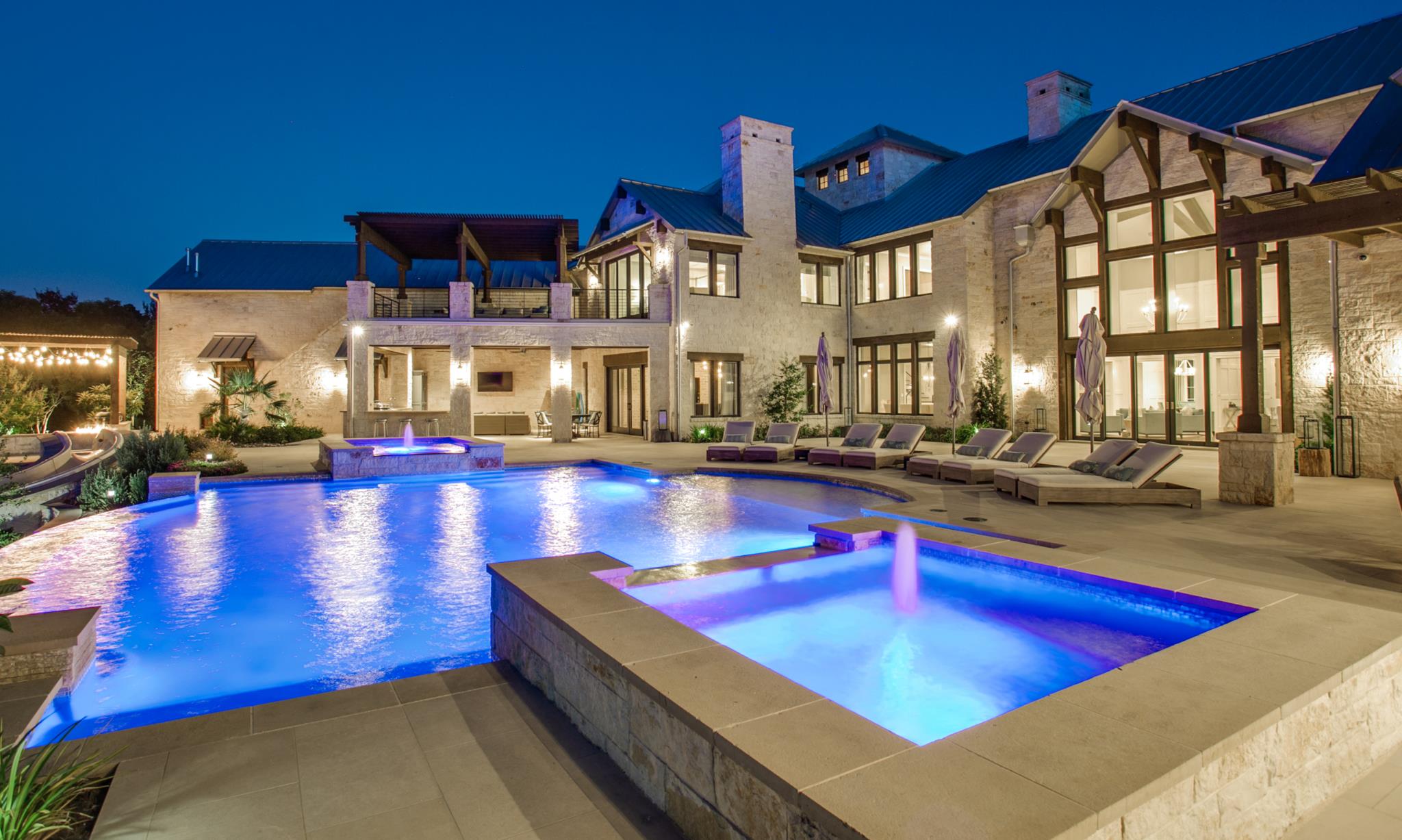
In summary, the journey to buy luxury homes is filled with exciting possibilities and rewarding investments. As the luxury housing market continues to evolve, understanding the key features, financing options, and the role of real estate agents will empower buyers to navigate their options confidently. Ultimately, acquiring a luxury home represents not just a purchase, but a gateway to a lifestyle marked by sophistication and comfort.
FAQ Overview
What are the main benefits of buying luxury homes?
The primary benefits include potential appreciation in value, rental income opportunities, and the prestige associated with owning luxury property.
How do I finance a luxury home?
Financing options include traditional mortgages, alternative financing methods, and cash purchases, often dependent on your financial situation.
What should I look for in a luxury home?
Key features include architectural style, high-end finishes, location, and neighborhood amenities that enhance the property’s value.
How can I ensure the property is a good investment?
Conduct thorough due diligence, including inspections, appraisals, and reviewing market trends and location factors.
What role does a real estate agent play in luxury home transactions?
A real estate agent specializing in luxury properties brings expertise in marketing, negotiation, and understanding buyer preferences in this niche market.