Luxury home price is influenced by a multitude of factors that create a dynamic market environment. Understanding these factors can help buyers, sellers, and investors navigate the often complex landscape of luxury real estate. From location and architectural design to amenities and market trends, the price of luxury homes reflects not just the physical property, but also the lifestyle and prestige associated with it.
The luxury home market is ever-evolving, with various elements such as economic conditions, supply and demand dynamics, and regional variations playing a crucial role in influencing prices. Savvy stakeholders are increasingly aware of how these complexities can impact their investment decisions, making it essential to stay informed about current trends and future predictions in the luxury real estate sector.
Understanding the Factors Influencing Luxury Home Prices
The luxury home market is uniquely influenced by a variety of factors that set it apart from the broader real estate landscape. While general market trends have their place, luxury homes are significantly affected by nuanced elements such as location, economic indicators, and the basic principles of supply and demand. This discussion will delve into these aspects, elucidating how they contribute to the pricing dynamics of luxury residences.
Location and Its Impact on Luxury Home Pricing, Luxury home price
When it comes to luxury real estate, the mantra of “location, location, location” holds especially true. The desirability of a neighborhood can drastically influence home prices, particularly in the luxury segment. High-end buyers often seek areas that offer exclusivity, privacy, and exceptional amenities. Factors that enhance a location’s status include proximity to major urban centers, the quality of local schools, and accessibility to recreational and cultural attractions.
For instance, luxury properties in cities like New York, Los Angeles, and San Francisco command premium prices due to their vibrant cultural scenes, high-end shopping, and fine dining options. Moreover, unique geographical features can add value to luxury homes. Oceanfront properties or those overlooking scenic landscapes are often priced higher due to their stunning views and the lifestyle they promote.
In addition to these qualitative aspects, the economic landscape of a region also plays a crucial role. Areas experiencing economic growth, with rising job opportunities and a robust local economy, tend to attract affluent buyers, thereby driving up luxury home prices.
Economic Indicators Influencing Luxury Home Prices
A variety of economic indicators contribute to the fluctuations in luxury home prices, and understanding them can provide valuable insights into market trends. Key indicators include interest rates, employment rates, and consumer confidence levels.
Interest Rates
Lower interest rates can stimulate buying activity, as they make mortgages more affordable. This is especially relevant in the luxury market, where larger loans are necessary.
Employment Rates
A strong job market increases disposable income, allowing more buyers to enter the luxury market.
Consumer Confidence
When consumers feel optimistic about the economy, they are more likely to invest in luxury real estate.These economic indicators work in tandem to create a fluid market environment, where luxury home prices can rise or fall based on broader economic conditions.
Supply and Demand Dynamics in Luxury Real Estate
The principles of supply and demand form the backbone of pricing in real estate, including the luxury segment. In markets where demand exceeds supply, prices will inevitably rise, and vice versa.Luxury homes often face unique supply constraints due to limited land availability, zoning regulations, and the need for high-quality construction. When demand remains high—especially in sought-after locations—prices may soar. In contrast, during economic downturns, the luxury market can experience a decrease in demand, leading to price corrections.
High Demand Factors
Increasing urbanization, rising wealth among high-net-worth individuals, and a growing preference for luxury living spaces.
Limited Supply Factors
Regulatory barriers, the high cost of land, and the lengthy construction timelines associated with luxury homes.Understanding these dynamics not only aids in navigating the luxury home market but also provides a framework for making savvy investment decisions.
The Role of Architecture and Design in Valuing Luxury Homes

The architectural style and design elements of luxury homes play a pivotal role in determining their market value. From the moment a potential buyer steps into a luxury property, they are often influenced by the aesthetics and craftsmanship that have gone into its creation. The unique features and design sensibilities contribute not only to the home’s visual appeal but also to its overall desirability and represent the lifestyle it embodies.Architecture is more than just the physical structure; it is an art form that conveys a narrative about the home and its surroundings.
Different architectural styles, whether modern, classical, or eclectic, can significantly impact the perceived value of a property. For instance, a home designed in the contemporary style often integrates clean lines, open spaces, and an emphasis on natural light, reflecting current trends that are highly sought after. This architectural approach not only enhances the home’s functionality but also aligns with buyers’ preferences for minimalism and sustainability, often leading to higher price points.
Impact of Interior Design Trends on Perceived Value
Interior design trends also play a crucial role in how luxury homes are valued. A well-designed interior can elevate the home’s ambiance, making it feel more inviting and luxurious. Current trends often emphasize the use of smart home technology, eco-friendly materials, and open floor plans that facilitate social interaction. These design elements enhance the property’s functionality and appeal, making it more attractive to potential buyers.For instance, the introduction of biophilic design elements, which incorporate natural materials and greenery into living spaces, has gained popularity.
Homes that include large windows for natural light, indoor gardens, and sustainable materials often command higher prices due to their modern aesthetic and health benefits. Moreover, the layout of the interior space is equally significant; a flowing, open concept can create a sense of harmony within the home, which is appeal-enhancing.Premium building materials are a crucial factor that elevates the pricing of luxury homes.
Quality materials not only enhance the aesthetic appeal but also ensure durability and longevity, which are highly valued by luxury home buyers.
- Marble and granite countertops are often seen in upscale kitchens and bathrooms due to their elegant appearance and durability.
- Hardwood flooring, especially exotic varieties like Brazilian cherry or teak, adds warmth and sophistication, contributing to the home’s charm and value.
- Custom cabinetry made from high-quality woods or finishes can enhance the luxury feel of a space significantly.
- High-end appliances from brands like Sub-Zero or Wolf are not only functional but also serve as a status symbol, underscoring the home’s luxury status.
The combination of striking architecture, current interior design trends, and top-tier building materials creates a powerful influence on the valuation of luxury homes. Buyers are often willing to pay a premium for properties that exhibit a harmonious blend of these elements, reflecting not only their aesthetic preferences but also their lifestyle aspirations. High-quality design and construction resonate with buyers and can often lead to quicker sales at elevated prices.
The Impact of Amenities on Luxury Home Pricing
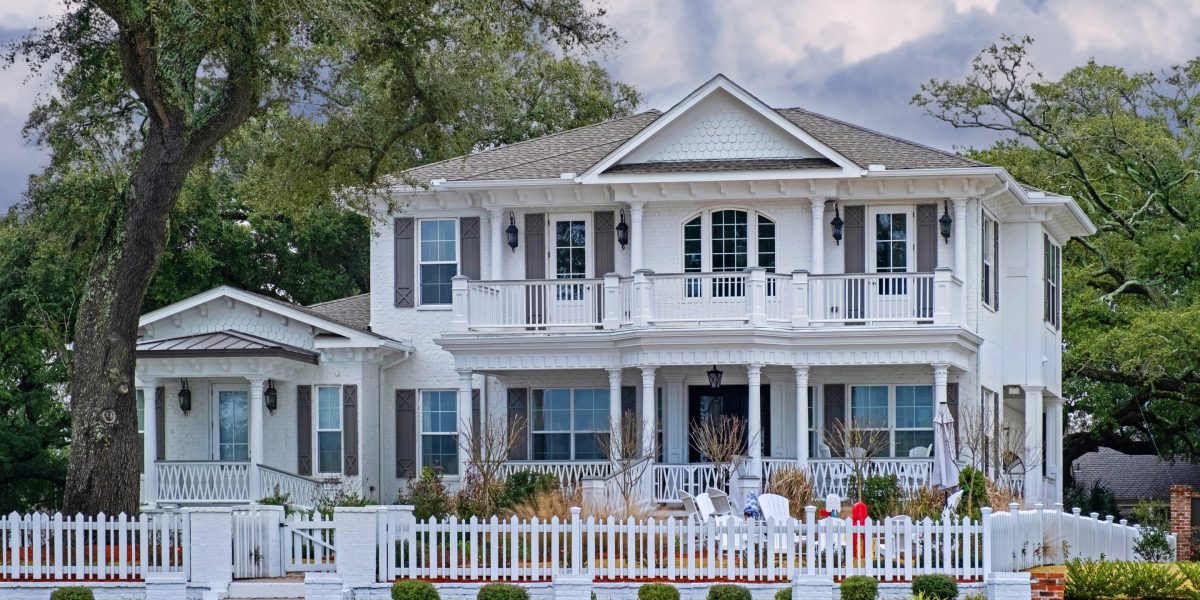
In the realm of luxury real estate, amenities play a critical role in determining market value. The presence of high-end features can significantly enhance a property’s appeal, creating a more desirable living environment that justifies a premium price. Luxury home buyers are not only seeking exquisite architectural designs and prime locations but also a comprehensive lifestyle experience that comes with the right amenities.
The inclusion of amenities can elevate a luxury home’s market value by enhancing convenience, comfort, and exclusivity. High-end features such as swimming pools, home theaters, and smart home technologies are more than just luxury additions; they serve as essential components that influence buyers’ purchasing decisions.
High-End Features and Their Pricing Effects
Understanding how specific amenities impact pricing is essential for both buyers and sellers in the luxury market. The following high-end features are frequently sought after and can vary significantly in their impact on market value:
- Swimming Pools: A well-designed swimming pool can add substantial value to a luxury home, often translating to an increase in sale price by up to 10-15%. It offers a recreational space that enhances the outdoor living experience, especially in warmer climates where pools are seen as essential.
- Home Theaters: The integration of a state-of-the-art home theater system can also significantly boost a property’s value, often yielding an increase of 5-10% in price. Buyers are attracted to the idea of having a personal cinema experience at home, which provides both entertainment and leisure.
- Gourmet Kitchens: A chef’s kitchen equipped with high-end appliances and luxurious finishes can attract gourmet enthusiasts. This amenity is particularly appealing to buyers who enjoy cooking and entertaining, potentially raising the home’s market value by 5-10%.
- Smart Home Technologies: Features like automated lighting, security systems, and climate controls are becoming increasingly popular. Homes equipped with these technologies can see an increase in value of around 5%, as they offer enhanced security and convenience.
Proximity to exclusive community amenities can further influence home values. Homes located near private golf courses, upscale shopping districts, and high-end fitness centers often command higher prices. Buyers are willing to pay a premium for access to these facilities, which enhance the overall lifestyle experience. Luxury communities that provide amenities such as clubhouses, spas, and concierge services create a sense of exclusivity and enhance property desirability.
In essence, the right combination of amenities not only provides immediate comfort and enjoyment but also serves as a powerful tool for increasing a luxury home’s market value, making it a worthwhile investment for discerning buyers.
Regional Variations in Luxury Home Pricing
Luxury home pricing can vary significantly across metropolitan areas, influenced by diverse factors such as local economies, demographics, and cultural preferences. Understanding these regional nuances is essential for buyers and investors looking to navigate the luxury real estate market effectively. Each locale presents unique characteristics that shape not only the price points but also the demand for high-end properties.Geographical and climatic factors play a pivotal role in determining luxury home prices across different regions.
For instance, coastal cities often command higher prices due to their appealing landscapes and desirable climates. In contrast, areas with harsher climates might see lower demand for luxury homes, which can affect pricing. Additionally, regions prone to natural disasters, such as hurricanes or wildfires, may face fluctuations in luxury home values based on perceived risks and insurance costs.
Examples of Luxury Real Estate Markets
Several luxury real estate markets have experienced rapid appreciation over the past decade, making them prime examples of regional variations in home pricing. The following cities have become notable hotspots for luxury buyers:
- San Francisco, California: Known for its tech-driven economy, San Francisco has seen luxury home prices soar, with the average price exceeding $2 million. The city’s picturesque views and vibrant culture continue to attract affluent buyers.
- Miami, Florida: With its tropical climate and international appeal, Miami’s luxury market has flourished, especially in neighborhoods like South Beach and Coconut Grove. In recent years, luxury home prices have appreciated by over 30%.
- New York City, New York: As a global financial hub, New York City remains a beacon for luxury real estate. Neighborhoods like Manhattan and Brooklyn have witnessed an increase in luxury property transactions, with some units fetching prices in the tens of millions.
- Los Angeles, California: The entertainment capital has a robust luxury market, particularly in areas like Beverly Hills and Malibu. The combination of celebrity appeal and stunning views has led to substantial price increases, with some homes reaching beyond $100 million.
- Aspen, Colorado: This mountain town has become synonymous with luxury, drawing affluent buyers for its ski resorts and stunning natural beauty. Luxury home prices have appreciated significantly, making it one of the most sought-after markets in the U.S.
The appreciation in these markets underscores the importance of understanding regional differences when considering luxury home investments. Factors such as local economic growth, climate advantages, and the availability of high-end amenities contribute significantly to the valuation of luxury properties in these areas.
Trends Shaping the Future of Luxury Home Pricing
As the luxury real estate market continues to evolve, several trends are emerging that are expected to reshape the landscape of luxury home pricing. Key factors influencing these trends include sustainability, advancements in technology, and shifts in buyer preferences. Understanding these trends not only helps investors and real estate professionals navigate the market but also provides insights into what future luxury home buyers are likely to prioritize.
Sustainability and Technology Integration
The growing emphasis on sustainability is profoundly affecting luxury home pricing. Eco-friendly homes are no longer niche; they are becoming a sought-after standard. Many affluent buyers are showing a preference for properties that incorporate green building materials, energy-efficient appliances, and renewable energy sources, such as solar panels. This shift towards sustainable living is not just about personal ethics; it is also seen as a long-term investment.
Sustainable homes often result in lower utility costs and reduced maintenance expenses, making them financially appealing as well.Innovative technology is another pivotal factor in shaping luxury home prices. Smart home technology, encompassing everything from security systems to climate control, enhances the living experience and adds significant value to properties. Homes equipped with advanced technology command higher prices due to their appeal to tech-savvy buyers looking for convenience and efficiency.
According to a recent study, homes with smart technology features can sell for up to 5% more than similar homes without these upgrades, demonstrating how technology can directly influence market valuation.
Impact of Remote Work on Luxury Real Estate Demand
The rise of remote work—accelerated by the global pandemic—has significantly shifted demand within the luxury real estate sector. As more individuals opt for flexible work arrangements, there is a noticeable trend toward purchasing homes in suburban or rural areas, where larger properties and more space are available. This preference for spacious homes has driven up demand and, consequently, prices in previously less sought-after regions.For example, areas like the Hamptons and Aspen have seen a surge in luxury home purchases as affluent buyers seek not just vacation homes but primary residences that allow for a work-life balance.
This geographic shift has contributed to a notable increase in pricing in these regions, as buyers compete for properties that offer both comfort and workspace.
Evolving Buyer Preferences and Market Impact
Luxury home buyers’ preferences are continuously evolving, influencing what features and amenities are prioritized in the market. Today’s buyers are increasingly interested in wellness amenities such as home gyms, spas, and outdoor spaces that promote both health and relaxation. The demand for properties with private outdoor areas, such as gardens and terraces, has surged, as these spaces provide both leisure and a connection to nature.Additionally, there is a growing interest in properties that offer unique experiences, such as waterfront views, historic architecture, or proximity to cultural attractions.
Buyers are willing to pay a premium for homes that provide a sense of exclusivity and lifestyle enhancement. This trend underscores the importance of not only the physical attributes of the home but also the surrounding environment and community, which can significantly influence luxury home pricing.
Financing and Investment Strategies for Luxury Homes: Luxury Home Price
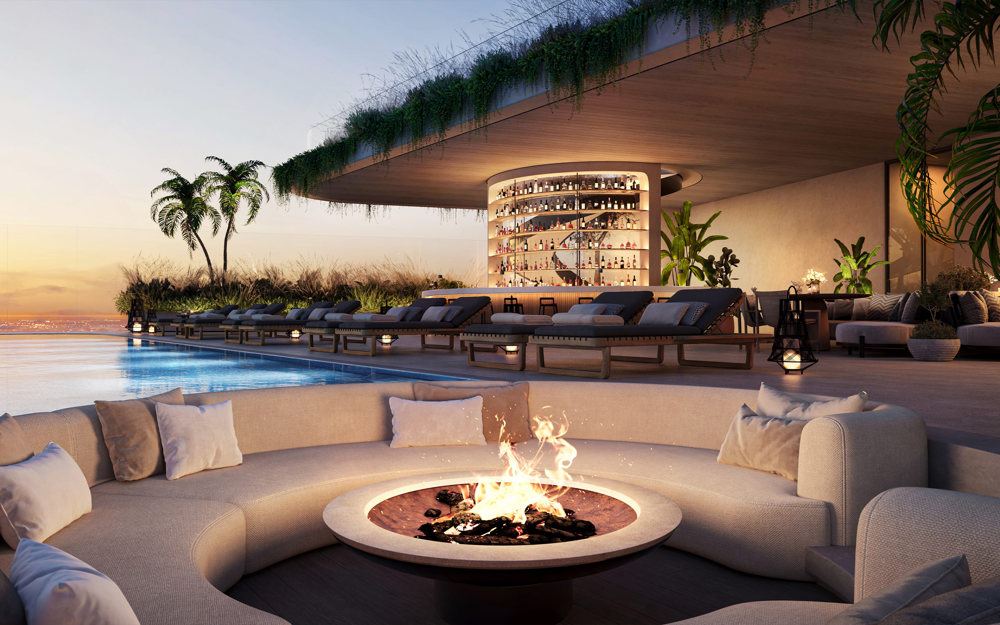
Investing in luxury homes involves a unique set of financing options and strategies that differ significantly from traditional real estate investments. Buyers of luxury properties often seek out tailored financing solutions that align with their financial goals while navigating the complexities of high-value transactions. Understanding these financing options is crucial for any potential buyer or investor looking to make informed decisions in the luxury real estate market.Luxury home financing options include a variety of mortgage products that cater to high-net-worth individuals.
One popular choice is the “jumbo mortgage,” which exceeds the maximum loan limits set by government-sponsored entities like Fannie Mae and Freddie Mac. These loans typically have stricter credit requirements and higher interest rates due to the increased risk for lenders. Another alternative is using a “portfolio loan,” where lenders keep the loan in-house, allowing for more flexible terms and approval processes tailored to the borrower’s unique financial situation.
Additionally, many luxury buyers consider using a “bridge loan” to finance the purchase of a new luxury home while selling an existing property. This short-term loan helps buyers avoid potential financial strain during the transition. For cash buyers, leveraging funds from investments or liquid assets can provide a competitive edge in negotiations, as sellers often prefer all-cash offers due to their speed and certainty.
Investment Strategies for Luxury Real Estate
Investing in luxury real estate requires strategies that are distinct from those used in the traditional property market. One key strategy is understanding the cyclical nature of luxury property demand, as high-end homes can be more susceptible to market fluctuations. Investors often look for properties in prime locations with strong historical appreciation rates, as these areas tend to retain value better during economic downturns.Another emerging strategy is the focus on “value-add” investments, where investors seek properties with potential for renovation or redevelopment.
By upgrading finishes, enhancing curb appeal, or adding amenities like swimming pools or home automation systems, investors can significantly increase property value. Luxury buyers are increasingly drawn to eco-friendly homes and smart technology, making green renovations a lucrative investment.Furthermore, investors may explore fractional ownership or investment groups, which allow multiple parties to share ownership of a luxury property. This method reduces individual financial burdens while providing access to high-value real estate.
It is essential to choose trustworthy partners and legal structures to minimize risks associated with joint ownership.Investing in luxury homes is not without its challenges. Potential pitfalls include overestimating market demand, failing to conduct thorough due diligence, and neglecting ongoing maintenance costs. Luxury properties can have significant holding costs, including property taxes, insurance, and maintenance, which can eat into profits if not carefully managed.
“A well-informed investor in luxury real estate understands the importance of location, market trends, and property potential.”
Investors should also be aware that the luxury market can be less liquid than traditional markets, meaning it may take longer to sell a property, especially in a downturn. Successful luxury property investment requires a long-term perspective and an understanding of the unique dynamics that influence high-end real estate markets.
Learn about more about the process of houses for sale in florida in the field.
Final Conclusion
In summary, luxury home price is shaped by several interrelated factors, including location, architectural style, and the presence of desirable amenities. As the market continues to evolve, understanding these influences will not only aid in making informed decisions but also highlight the significance of anticipating future trends. Whether you’re a buyer or an investor, keeping an eye on these changes can significantly enhance your opportunities in the luxury real estate market.
Questions Often Asked
What are the key factors that drive luxury home prices?
Key factors include location, economic indicators, supply and demand, architectural style, and amenities.
How does the economy affect luxury home pricing?
The economy influences luxury home pricing through changes in consumer confidence and spending power, impacting demand.
What role do architectural styles play in luxury home valuation?
Architectural styles can significantly affect perceived value, with unique designs often commanding higher prices.
How do amenities impact the value of luxury homes?
Amenities like pools and home theaters increase market value, enhancing the overall appeal of the property.
What trends should luxury home buyers be aware of?
Buyers should be aware of trends such as sustainability, technological advancements, and changing preferences due to remote work.