Home houses stand as a testament to our evolving lifestyles and aspirations. From humble beginnings to modern marvels, these structures reflect not just the architectural whims of the time but also the changing societal values and technological advancements that shape our living spaces. With each era bringing its unique flavor, this exploration delves into how home houses have transformed over the decades, influencing our daily lives and the way we perceive community and comfort.
The significance of home houses goes beyond mere shelter; they encapsulate the dreams, innovations, and traditions of diverse cultures. The evolution of design styles, the advent of smart technology, and the increasing importance of sustainability are just a few aspects that make this topic all the more engaging. Let’s embark on this insightful journey through time and space, examining how home houses have become pivotal in our lives.
Explore the evolution of home houses and how they have changed over the decades.
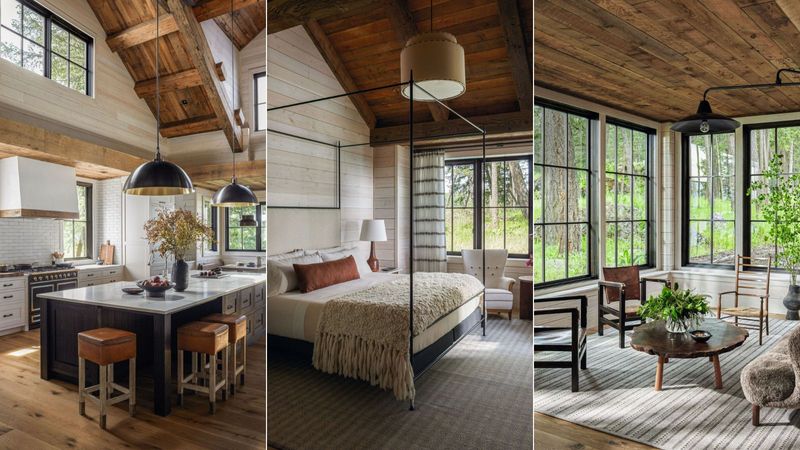
The evolution of home houses reflects the changing dynamics of society, technology, and culture. Over the decades, architectural styles have been shaped by economic factors, social movements, and technological advancements, resulting in homes that not only serve as shelters but also as expressions of identity. From Victorian grandeur to minimalist modernism, each era’s homes encapsulate the values and aspirations of the time.The architectural landscape has undergone significant transformations influenced by societal trends.
In the late 19th and early 20th centuries, the Victorian style was prevalent, characterized by ornate details, asymmetrical shapes, and elaborate decorations. This period saw the emergence of the Arts and Crafts movement, which emphasized handcrafted elements and natural materials, responding to the industrial revolution’s mass production. As the Great Depression hit in the 1930s, the need for more affordable housing led to simpler designs, giving rise to the American Colonial Revival and Cape Cod styles.
Significant Design Changes and Innovations
The evolution of home design also reflects milestones in technology and changes in lifestyle. The mid-20th century ushered in the Ranch style, promoting open floor plans that catered to the growing desire for casual living and family gatherings. With the post-war boom, homes increasingly featured modern conveniences such as central heating, air conditioning, and built-in appliances, making daily life more comfortable and efficient.Societal trends have driven innovations in home design, adapting to the needs and values of each generation.
For instance, the rise of environmental consciousness in the late 20th century led to the popularity of sustainable building practices and energy-efficient designs. Homes began incorporating solar panels, green roofs, and sustainable materials, reflecting a collective commitment to environmental responsibility.In recent years, the impact of technology has been profound, with smart home features becoming ubiquitous. Homebuyers now expect integrated systems for security, lighting, and climate control, revolutionizing how we interact with our living spaces.
The variety of architectural styles that emerged over time showcases how homes are not just four walls but a canvas reflecting societal shifts. For example, the minimalist designs of today highlight a growing preference for simplicity and a clutter-free lifestyle, pushing against the excesses of previous decades. The evolution of home houses is a testament to our adaptive nature, revealing how much our living environments are intertwined with the broader narrative of human experience.
As society continues to evolve, so too will the designs of the homes we inhabit, ensuring they remain relevant and responsive to our needs and values.
Examine the role of technology in modern home houses and its influence on construction.
The impact of technology on modern homes cannot be overstated. In recent decades, advancements in technology have significantly transformed the way homes are constructed, managed, and lived in. From the tools used in construction to the features that enhance daily living, technology has become integral to every aspect of home houses. This transformation has not only improved efficiency and safety in construction practices but has also redefined the lifestyle of homeowners, making it easier and more enjoyable.One of the key technological advancements that have revolutionized home building is the use of Building Information Modeling (BIM).
This innovative software allows architects and builders to create highly detailed 3D models of buildings, facilitating better planning and collaboration. BIM improves accuracy in construction, minimizes waste, and helps visualize the end product before any physical work begins. Another significant advancement is the implementation of prefabricated and modular construction techniques. These methods involve assembling sections of homes in controlled factory environments, which not only speeds up the construction process but also ensures higher quality control due to the consistent conditions in which the materials are produced.
Smart Home Features That Enhance Convenience and Security
The integration of smart home technology has become a hallmark of modern living, markedly enhancing convenience and security. These innovations play a crucial role in everyday life, allowing homeowners to manage their environments more efficiently. The following smart features are increasingly common in new homes:
- Smart Thermostats: Devices like the Nest Learning Thermostat can learn your schedule and adjust the heating and cooling systems accordingly, resulting in energy savings and increased comfort.
- Smart Security Systems: Home security cameras, motion detectors, and smart locks offer real-time monitoring and remote access, allowing homeowners to keep an eye on their property from anywhere.
- Smart Lighting: Systems that allow users to control lighting via an app or voice command not only add convenience but also enhance security by creating the illusion of occupancy when the homeowner is away.
- Home Assistants: Devices like Amazon Echo or Google Home facilitate voice-controlled management of various smart devices, making it easy to control everything from music to home security.
These features provide homeowners with greater control over their living spaces, contributing to enhanced safety and comfort. The ability to manage these systems remotely via smartphones has made home management more accessible than ever.Technology is shaping the future of homes in various exciting ways. The use of artificial intelligence and machine learning is expected to further personalize home environments. For example, AI can analyze data from smart devices to predict and respond to the needs of the occupants dynamically.
This might include adjusting heating based on the time of day or even suggesting home maintenance tasks when problems are detected.Moreover, sustainability has become a cornerstone of technological evolution in homes. Smart energy management systems can optimize power usage, integrating renewable energy sources such as solar panels seamlessly. These systems can track energy consumption patterns and suggest ways to reduce costs while minimizing environmental impact.The future of home technology looks promising, with innovations such as augmented reality (AR) being used in virtual home tours, enabling buyers to visualize spaces before purchase.
Furthermore, as technology continues to evolve, we can expect greater integration of Internet of Things (IoT) devices, making homes smarter and more efficient.As technology progresses, it will undoubtedly continue to redefine what it means to live in a home, combining comfort, convenience, and sustainability into a cohesive living experience.
Analyze the relationship between home houses and sustainability practices in construction.
As the world becomes increasingly aware of the pressing issues surrounding climate change, the construction industry has seen a significant shift towards sustainability practices. Homeowners are now prioritizing eco-friendly solutions, not only to minimize their environmental impact but also to create healthier living spaces. The relationship between home houses and sustainability is evolving, with various innovative practices and materials leading the way in responsible home building and renovation.One of the most impactful changes in sustainable construction is the use of eco-friendly building materials.
These materials, such as bamboo, recycled steel, and reclaimed wood, offer numerous benefits over traditional construction materials. For instance, bamboo is a highly renewable resource that grows quickly and can be harvested without damaging the ecosystem. Similarly, recycled steel reduces waste and conserves energy compared to new steel production. Reclaimed wood provides a unique aesthetic while minimizing the need for deforestation.
Additionally, sustainable construction practices emphasize the importance of reducing energy consumption in homes. A variety of methods can be employed to achieve this goal. These include:
Methods for Reducing Energy Consumption in Homes
Implementing energy-efficient solutions is essential for homeowners looking to minimize their carbon footprint. Here are some key strategies:
- Energy-efficient appliances: Investing in appliances with high Energy Star ratings can significantly reduce energy consumption in households.
- Insulation: Proper insulation in walls, attics, and basements helps maintain temperature, reducing the need for heating and cooling.
- Solar panels: Utilizing renewable energy sources, such as solar power, can drastically cut down electricity usage from nonrenewable sources.
- Smart home technology: Integrating smart thermostats and lighting systems allows homeowners to monitor and control energy use more effectively.
The growing emphasis on sustainability is reshaping homeowner priorities. Many are now actively seeking homes that integrate sustainable practices as part of their daily lives. This shift is often driven by a desire for a healthier lifestyle, where indoor air quality and energy efficiency are paramount. In fact, studies indicate that homes built with sustainable practices tend to have higher resale values, as buyers increasingly seek energy-efficient options.Moreover, government incentives and tax rebates for sustainable home improvements are encouraging homeowners to invest in eco-friendly renovations.
From community initiatives to green certifications, this movement towards sustainability is not just a trend; it’s becoming a fundamental aspect of home ownership. Homeowners are not only improving their living conditions but also contributing positively to the environment, showcasing a collective responsibility towards a more sustainable future.
Discuss the psychological impacts of home houses on individuals and families.
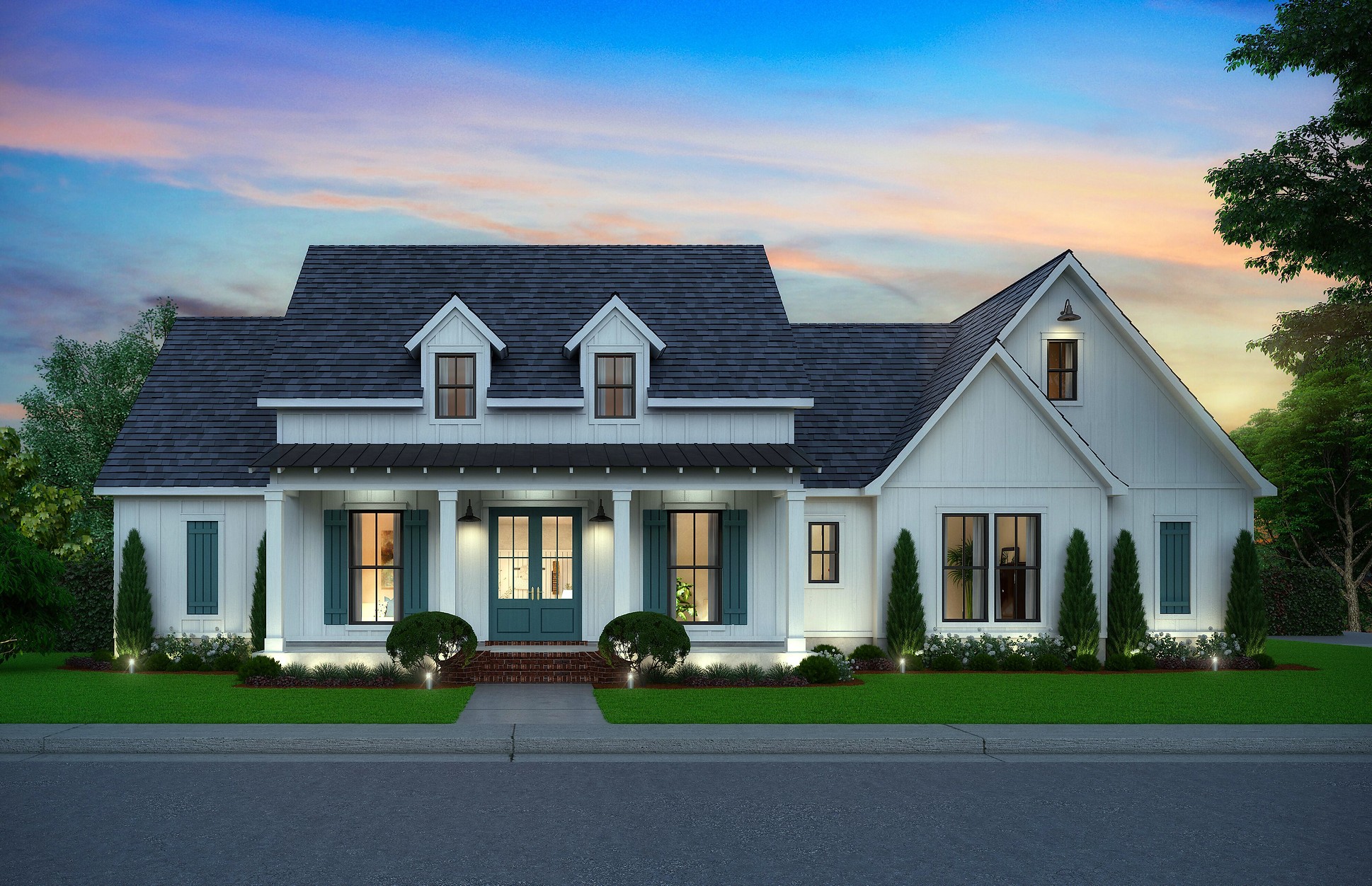
The environment in which we reside plays a crucial role in shaping our emotional and psychological well-being. Home houses are not merely structures; they are reflections of our identities, lifestyles, and aspirations. Understanding the psychological impacts of different home styles can provide insight into how our living spaces can influence our mood and mental health. The layout, design, and ambiance of a home can contribute significantly to the psychological state of its occupants.
For example, open-concept designs tend to foster a sense of community and connection among family members, while closed spaces may evoke feelings of isolation. Personal touches in home decor can also affect mood. Bright colors may uplift spirits and inspire creativity, while muted tones might create a calming atmosphere.
Impact of Space Organization on Emotional Health
The organization of space within a home can greatly influence emotional well-being, making it essential to consider how rooms are arranged and designed. Here are several aspects to consider regarding space organization and its effects on mental health:
- Clutter-Free Environments: A tidy space can lead to reduced anxiety and improved concentration. Research shows that people living in cluttered homes report higher stress levels and decreased satisfaction with life.
- Functional Spaces: Designing spaces for specific purposes, such as a dedicated office, can enhance productivity and provide a sense of accomplishment. When spaces are tailored to their function, they promote positive behaviors and mental clarity.
- Natural Light: Incorporating windows and light sources enhances mood and energy levels. Homes that maximize natural light can significantly reduce feelings of depression and boost overall well-being.
- Cozy Corners: Creating intimate areas, such as reading nooks or meditation spaces, allows individuals to unwind and recharge, contributing positively to mental health.
Personalizing living spaces holds substantial significance for emotional health. When individuals take the time to decorate and organize their homes according to their tastes and preferences, they are essentially creating a sanctuary that reflects their personality. This personalization can lead to feelings of ownership and pride, contributing to a greater sense of belonging. For instance, displaying photographs of loved ones, artwork from personal experiences, or cherished mementos can evoke positive memories and reinforce relationships.
A personalized home fosters an emotional connection, making it a space where individuals can feel safe and comfortable, ultimately enhancing their overall mental health. The act of curating one’s living environment signifies control and agency, which are vital for psychological well-being. In summary, the psychological impacts of home houses extend beyond mere aesthetics. Thoughtful organization and personalization of spaces are essential in promoting emotional health and fostering a supportive atmosphere for families and individuals alike.
Investigate the financial aspects of owning home houses, including market trends and investment potential.

Owning a home is often seen as a significant milestone and an investment opportunity that can yield substantial financial benefits. Understanding the financial landscape surrounding homeownership is crucial for prospective buyers. This includes examining market trends, the potential for appreciation in home values, and the overall investment potential of property ownership. Moreover, the costs associated with purchasing a home extend well beyond the initial purchase price, making financial literacy imperative for both new and seasoned homeowners.
Market Trends and Regional Differences
Home values can fluctuate significantly based on geographical location and market conditions. When analyzing home value appreciation, it’s essential to recognize that some regions experience rapid growth while others may see stagnant or declining values. For example, cities with booming economies, such as Austin, Texas, or Seattle, Washington, tend to show a higher rate of appreciation compared to rural areas.
Factors influencing these trends can include:
- Economic growth in the area, attracting new residents and increasing demand.
- Availability of jobs, which can raise the number of potential buyers.
- Infrastructure development, such as new schools, transportation options, and amenities.
- Market saturation levels, where a lack of available homes can drive up prices.
Investors should keep an eye on these variables, as they can provide insights into regions worth considering for potential returns on investment.
Costs of Home Ownership Beyond Purchase Price
The financial commitment involved in owning a home extends far beyond the initial purchase price. Homeowners should budget for a variety of expenses that can add up over time. These include:
- Property Taxes: Varies by location and can significantly impact your annual expenses.
- Homeowners Insurance: Essential for protecting your investment, costs can vary widely based on coverage and location.
- Maintenance and Repairs: Routine upkeep and unexpected repairs can be costly; a budget of 1% to 3% of the home’s value annually is often recommended.
- Utilities: Costs related to water, electricity, gas, and internet can be substantial.
- HOA Fees: If applicable, Homeowners Association fees can add ongoing costs for maintenance of communal areas.
“Understanding the full scope of homeownership costs is essential for financial planning and avoiding surprises down the road.”
Importance of Market Research Before Buying a Home
Conducting thorough market research before purchasing a home is vital for making informed decisions. Buyers should consider various factors, including current market conditions, future growth potential of the area, and the overall economic environment. Key components of effective market research include:
- Analyzing recent sales data in the desired neighborhood to understand price trends.
- Reviewing economic forecasts to gauge potential market changes.
- Investigating local amenities, schools, and community features that may influence property value.
- Consulting with real estate professionals for expert insights and listings that meet specific criteria.
By comprehensively researching these aspects, prospective homeowners can better position themselves to make sound financial investments with their home purchases. The right approach to market research can lead to not only securing a home that meets personal needs but also ensuring long-term financial stability and growth in property value.
Describe the cultural significance of home houses in various societies around the world.
The concept of home is deeply rooted in cultural significance, reflecting the values, traditions, and identities of various societies. Homes are not merely structures; they serve as a canvas where cultural narratives are painted. Across different regions, traditional homes embody the essence of community, heritage, and social dynamics, offering insights into the way people live, interact, and express their beliefs.Examining the diverse architectural styles, we can perceive the profound relationship between culture and home design.
For instance, in Japan, the traditional Tatami house utilizes straw mats and sliding doors, promoting harmony with nature and flexibility in space usage. This design facilitates a connection between the indoor and outdoor environments, which is a reflection of the Japanese cultural appreciation for nature and simplicity. Similarly, the adobe homes of the Southwestern United States reflect the indigenous peoples’ resourcefulness, using locally available materials to create dwellings that blend seamlessly with the arid landscape, showcasing a sustainable approach to living that has existed for centuries.
Examples of Traditional Homes and Their Meanings
Various traditional homes around the globe are indicative of their cultural significance. Here are a few examples highlighting their meanings:
- Igloo (Inuit Culture): Constructed from compacted snow, igloos symbolize the ingenuity of Inuit peoples, allowing them to survive in harsh Arctic climates. The architecture represents resilience and a deep understanding of the environment.
- Longhouse (Haudenosaunee Culture): These communal dwellings emphasize the importance of family and community, serving as a gathering place for multiple families. The longhouse reflects the value placed on collective living and shared responsibilities.
- Stilt Houses (Southeast Asia): Often built over water, these homes demonstrate adaptability to the environment and promote a lifestyle closely tied to water sources, showcasing the cultural dependence on fishing and aquatic resources.
- Hacienda (Spanish Colonial): These large estates reflect the social hierarchy of colonial times, where the architecture speaks to wealth and power, illustrating the cultural influences of colonialism in shaping land use and community organization.
Cultural values significantly influence home design and layout, dictating everything from materials used to spatial organization. In many societies, homes are designed to reflect familial relationships and social structures. For instance, in many African cultures, the layout often includes communal spaces that foster social interactions and gatherings, emphasizing community bonds. Similarly, in Mediterranean cultures, outdoor spaces are integrated into home designs, reflecting a lifestyle centered around socializing and enjoying the climate.The connection between homes and cultural identity is profound.
Homes serve as a physical representation of cultural heritage, embodying the traditions, beliefs, and values of a society. They often become symbols of pride and identity, showcasing distinct cultural practices through architecture and design. For many, the home is a sanctuary that preserves memories and fosters a sense of belonging, reinforcing cultural continuity across generations. Thus, in various societies, homes are much more than mere shelters; they are vital touchstones of cultural identity and community cohesion.
Create a guide for first-time buyers considering home houses in today’s market.
Navigating the home buying process can be overwhelming, especially for first-time buyers. Understanding the essential steps, financing options, and the importance of home inspections is vital for making informed decisions. This guide delves into these key areas to equip buyers with the knowledge they need to succeed in today’s competitive housing market.
Essential Steps in the Home Buying Process
The home buying process involves several crucial steps that first-time buyers should be aware of to ensure a smooth experience. Each stage is significant and contributes to the overall success of the transaction.
1. Determine Your Budget
Assess your financial situation to establish how much you can afford. This includes evaluating your income, savings, and existing debts.
2. Get Pre-Approved for a Mortgage
Secure pre-approval from a lender to understand your borrowing capacity. This demonstrates to sellers that you are a serious buyer.
3. Find a Real Estate Agent
Do not overlook explore the latest data about Hello world!.
Working with a knowledgeable agent can help you navigate the market and find properties that meet your needs.
4. Start House Hunting
Create a list of must-haves and begin viewing homes. Keep an open mind as you explore different neighborhoods and styles.
5. Make an Offer
Once you find a suitable home, work with your agent to make a competitive offer based on market analysis.
6. Complete a Home Inspection
Schedule a thorough inspection to identify any potential issues with the property.
7. Finalize the Sale
After negotiations and inspections, finalize your mortgage and close the sale.
Financing Options and Securing Mortgages
Financing a home purchase requires an understanding of the various mortgage options available. It’s crucial to explore these options to find one that fits your financial situation.
Conventional Loans
These are not insured by the government and require higher credit scores but can offer lower interest rates for qualified buyers.
FHA Loans
Insured by the Federal Housing Administration, these loans cater to first-time buyers with lower down payment requirements.
VA Loans
Available for veterans and active military personnel, VA loans require no down payment and have competitive interest rates.
USDA Loans
Designed for rural homebuyers, USDA loans offer low-interest rates and require no down payment.Understanding these options will help you navigate mortgage rates, terms, and potential eligibility requirements.
The Importance of Home Inspections, Home houses
A home inspection is a critical step in the buying process that can save you from costly repairs down the line. It provides an opportunity to assess the condition of the property before finalizing the purchase. During a home inspection, a qualified inspector evaluates various components of the house, including the roof, foundation, plumbing, electrical systems, and more. Here are essential aspects to focus on during an inspection:
Structural Integrity
Check for cracks in the foundation, walls, and ceilings, which could indicate major issues.
Roof Condition
Ensure that the roof is in good repair and free from leaks or damage.
Plumbing Systems
Inspect pipes, water pressure, and drainage to prevent future plumbing issues.
Electrical Systems
Verify that the electrical system is up to code, with no exposed wiring or faulty outlets.
HVAC Systems
Evaluate the heating and cooling systems for functionality and efficiency.
“A thorough home inspection can reveal hidden problems that could cost thousands to rectify later, ensuring you make a sound investment.”
Being aware of these factors allows first-time buyers to make informed decisions and negotiate repairs or price adjustments based on the inspection findings.
Last Point: Home Houses
In conclusion, home houses are more than just structures; they embody our history, reflect our values, and shape our future. We’ve observed how they adapt to technological changes, the rise of eco-consciousness, and the profound psychological effects they have on our well-being. As we continue to innovate and redefine what home means, understanding these dynamics is crucial for anyone looking to invest in or create their ideal living space.
Home houses will always remain a central part of our lives, intimately connected to our identities and cultures.
FAQ
What are the most popular architectural styles for home houses?
Popular styles include Modern, Colonial, Victorian, and Craftsman, each offering unique features and aesthetics.
How has technology changed home houses?
Technology has introduced smart home systems, energy-efficient appliances, and advanced construction methods that improve convenience and sustainability.
What eco-friendly materials are commonly used in home houses?
Common materials include bamboo, recycled steel, and reclaimed wood, which reduce environmental impact and enhance sustainability.
How do cultural influences shape home house designs?
Cultural values dictate design elements, layout, and materials, reflecting traditions, climate considerations, and local resources.
What should first-time home buyers prioritize?
First-time buyers should focus on budget, location, home inspections, and understanding the mortgage process to make informed decisions.