homes mobile homes sets the stage for this enthralling narrative, offering readers a glimpse into a story that is rich in detail and brimming with originality from the outset. Over the years, mobile homes have transformed significantly, evolving from basic structures into stylish and functional living spaces that cater to diverse lifestyles. This guide delves into the evolution, advantages, and future of mobile homes, exploring their impact on American culture and urban development.
From the historical significance of mobile homes to their modern-day appeal, this discussion uncovers the flexibility and affordability that make them an attractive alternative to traditional housing. Additionally, we’ll tackle financing options, maintenance tips, and creative customization ideas, ensuring that you are well-equipped to embark on your mobile home journey.
The Evolution of Mobile Homes in America
Mobile homes have played a significant role in the American landscape, evolving from simple, temporary structures to modern, stylish residences that reflect a growing trend in affordable housing. Their historical development traces back to the early 20th century, where they were initially introduced as a solution for transient lifestyles, particularly during the Great Depression and the post-World War II housing boom.
The rise of mobile homes not only provided affordable housing alternatives but also captured the spirit of independence and mobility that resonates within American culture.The evolution of mobile homes can be attributed to several factors, including advancements in technology, changes in consumer preferences, and shifts in societal values. Early mobile homes, often referred to as “trailers,” were typically made from lightweight materials and lacked many modern conveniences.
However, as demand grew, so did the sophistication of these structures. By the 1950s, the mobile home industry saw significant improvements in design and construction techniques, which allowed for the incorporation of more amenities such as full kitchens and bathrooms.
Do not overlook the opportunity to discover more about the subject of Hello world!.
Design and Technological Advances in Mobile Homes
The design and technology of mobile homes have undergone remarkable transformations over the decades, leading to an increase in both quality and comfort. Key milestones in mobile home construction include the introduction of the HUD Code in 1976, which established federal standards for mobile home manufacturing. This regulation ensured safety features and quality control, making mobile homes more appealing to potential buyers.One notable advancement is the use of modern materials such as steel and engineered wood, which have enhanced durability and energy efficiency.
The introduction of insulation technology has made mobile homes more suitable for various climates. Furthermore, manufacturers have integrated cutting-edge appliances and smart home technology, reflecting contemporary lifestyle demands.The following points illustrate significant milestones in the mobile home industry:
- The establishment of the RVIA in 1960, which promoted the camping and recreational vehicle industry and influenced mobile home designs.
- The introduction of double-wide models in the 1970s, expanding the living space and family-friendly layouts.
- The rise of eco-friendly mobile homes in the 2000s, incorporating sustainable building materials and energy-efficient systems.
- The trend of custom-built mobile homes, allowing homeowners to personalize their spaces and styles.
As mobile homes continue to evolve, they reflect broader economic and cultural trends in America. They represent a balance between affordability and quality living, appealing to a diverse range of individuals and families seeking flexibility without sacrificing comfort. Mobile homes now embody a modern interpretation of homeownership, signaling their place in the American dream.
Advantages of Living in Mobile Homes Compared to Traditional Housing

Mobile homes have emerged as a viable option for many individuals and families seeking affordable living solutions. They offer unique benefits when compared to traditional housing, such as lower costs, greater flexibility, and enhanced mobility. Understanding these advantages can help potential homeowners make informed decisions that align with their lifestyles and financial goals.
Cost Benefits of Mobile Homes
One of the most significant advantages of mobile homes is their affordability. The initial purchase price of mobile homes is often considerably lower than that of traditional houses. Additionally, the overall cost of living in mobile homes can be reduced significantly, as homeowners typically face lower property taxes, utility bills, and maintenance costs.
“Mobile homes can provide a pathway to home ownership for those who may otherwise struggle with high real estate prices.”
The following points illustrate the cost benefits associated with mobile homes:
- Lower Purchase Price: Mobile homes can cost 30-50% less than traditional homes, making them accessible to a wider demographic.
- Reduced Maintenance Costs: Mobile homes often require less maintenance due to their smaller size and simpler structures.
- Affordable Utility Bills: Energy-efficient designs in many modern mobile homes contribute to lower utility expenses.
Flexibility and Mobility Advantages
Mobile homes offer unparalleled flexibility and mobility compared to traditional housing options. This aspect is crucial for individuals who may need to relocate frequently due to work, schooling, or lifestyle changes.The benefits of flexibility and mobility in mobile homes include:
- Ease of Relocation: Mobile homes can be moved to different locations, allowing homeowners to explore new areas without the hassle of selling a house.
- Adaptable Living Arrangements: Mobile homes can accommodate various living situations, such as family expansions or downsizing.
- Short-Term Housing Solutions: They serve as perfect options for temporary housing needs, such as during home renovations or job placements.
Environmental Impact of Mobile Homes
Mobile homes can contribute to sustainable living practices, presenting several environmental advantages. The size and construction materials of mobile homes often result in a smaller carbon footprint compared to traditional houses, making them a more eco-friendly option.
“The efficient design of mobile homes helps reduce resource consumption, promoting a more sustainable lifestyle.”
Key environmental benefits of mobile homes include:
- Smaller Land Usage: Mobile homes require less land than traditional homes, preserving more green space and reducing urban sprawl.
- Energy Efficiency: Modern mobile homes often incorporate energy-efficient appliances and insulation, leading to decreased energy consumption.
- Utilization of Recycled Materials: Many manufacturers use recycled materials in the construction of mobile homes, minimizing waste and reducing resource depletion.
Lifestyle Opportunities for Different Demographics
Mobile home living can present unique lifestyle opportunities for various demographics, including young professionals, retirees, and families. Each group can benefit from the distinct characteristics of mobile homes, catering to their specific needs.For example:
- Young Professionals: Mobile homes can provide affordable housing near urban centers, enabling easier access to job opportunities and social activities.
- Retirees: For retirees seeking a simpler lifestyle, mobile homes often feature lower maintenance requirements and the ability to relocate easily to warmer climates.
- Families: Mobile homes can offer spacious living options at a fraction of the cost, allowing families to invest in education and experiences rather than high housing expenses.
Financing Options for Buying Mobile Homes
When considering the purchase of a mobile home, understanding the financing options available is crucial. Unlike traditional homes, mobile homes may require different types of loans and financing methods. This can affect not just your budget, but also your overall home-buying experience. Knowing what options are out there helps prospective buyers make informed decisions and secure the best possible financing for their needs.The financing landscape for mobile homes includes a mix of conventional loans and specialized lending options designed specifically for these types of properties.
A conventional mortgage might not be suitable for mobile homes, especially if they are not permanently affixed to a foundation. Instead, buyers often turn to specialized loans, such as chattel loans, which are typically used for personal property like mobile homes. These loans differ from traditional mortgages in several ways. For instance, chattel loans generally have a shorter term and higher interest rates, but they can be easier to qualify for since they often don’t require the same credit standards as conventional loans.
Types of Financing for Mobile Homes
Understanding the types of financing options available is essential for prospective mobile home buyers. The following Artikels the main types of financing available:
- Chattel Loans: These are personal property loans specifically for mobile homes that are not permanently affixed to land. They usually have higher interest rates and shorter terms but allow for more flexibility.
- FHA Loans: The Federal Housing Administration offers loans for mobile homes that are permanently affixed to land. These loans come with lower down payment requirements and are more accessible for buyers with lower credit scores.
- VA Loans: Veterans Affairs loans are available to eligible veterans and active-duty service members. These loans can be used for mobile homes that are permanently affixed to land and typically have favorable terms, including no down payment.
- Conventional Mortgages: While more challenging to secure for mobile homes, some lenders may offer conventional financing if the mobile home meets specific criteria, such as being on a permanent foundation and meeting local building codes.
For buyers looking to improve their chances of securing financing for a mobile home, there are several steps to consider. First, maintaining a good credit score is vital, as lenders will assess credit history when evaluating loan applications. Additionally, having a stable income and a reasonable debt-to-income ratio can enhance a buyer’s appeal to lenders. It’s also beneficial to save for a larger down payment, which can demonstrate financial responsibility and lower monthly payments.
Lastly, consulting with multiple lenders to compare terms can help buyers find the most favorable financing option tailored to their specific needs.
Maintenance Tips for Mobile Home Owners
Maintaining a mobile home is crucial to ensure its longevity and comfort. Regular upkeep not only safeguards your investment but also enhances your living experience. By prioritizing essential maintenance tasks, mobile home owners can prevent minor issues from escalating into more significant problems, ensuring a safe and cozy environment for their families.Seasonal changes can significantly impact mobile homes; hence, understanding the unique maintenance needs throughout the year is vital.
Regular checks and proactive care can help in avoiding common pitfalls and prolonging the life of your home. Below are some fundamental maintenance tasks and seasonal considerations that every mobile homeowner should keep in mind.
Essential Maintenance Tasks for Mobile Home Owners
It’s essential for mobile home owners to regularly perform certain maintenance tasks to keep their homes in optimal condition. Here’s a list of prioritized maintenance tasks:
- Inspect and clean gutters and downspouts to prevent water damage.
- Check and replace HVAC filters every few months to maintain air quality.
- Test smoke detectors and carbon monoxide detectors regularly for safety.
- Inspect the foundation for settling or shifting issues and repair as necessary.
- Seal windows and doors to prevent drafts and enhance energy efficiency.
- Maintain plumbing by checking for leaks and ensuring proper insulation on pipes.
- Inspect roofing for any signs of damage, especially after severe weather.
Seasonal Maintenance Considerations for Mobile Homes
Each season presents unique challenges and maintenance tasks for mobile home owners. Preparing in advance can prevent damage and ensure a comfortable living environment throughout the year:
- Spring: Clean and check air conditioning units, inspect for pests, and perform any necessary landscaping.
- Summer: Monitor for humidity levels and consider adding dehumidifiers, check roof and insulation for leaks.
- Fall: Clean gutters, winterize outdoor faucets, and inspect heating systems to prepare for colder months.
- Winter: Ensure adequate insulation, check heating systems, and inspect skirting for any damage from ice or snow.
Common Issues and Solutions for Mobile Home Owners
Mobile homes present unique challenges, and being aware of common issues can help owners react promptly. Here are some frequent problems faced by mobile homeowners and their effective solutions:
- Water leaks can arise from damaged plumbing or roof issues. Regularly inspect these areas and repair promptly to avoid costly water damage.
- Heating and cooling inefficiencies often stem from inadequate insulation. Ensure all vents are unblocked and consider upgrading insulation to improve energy efficiency.
- Pest infestations can be a concern. Regularly check for signs of pests and employ preventive measures, such as sealing entry points and maintaining cleanliness.
- Flooring issues, like sagging or squeaking, may occur. Reinforcing the flooring structure or replacing damaged sections can resolve these problems effectively.
Proactive maintenance not only protects your investment but also contributes to a safer and more enjoyable living environment.
The Future of Mobile Homes in Urban Development
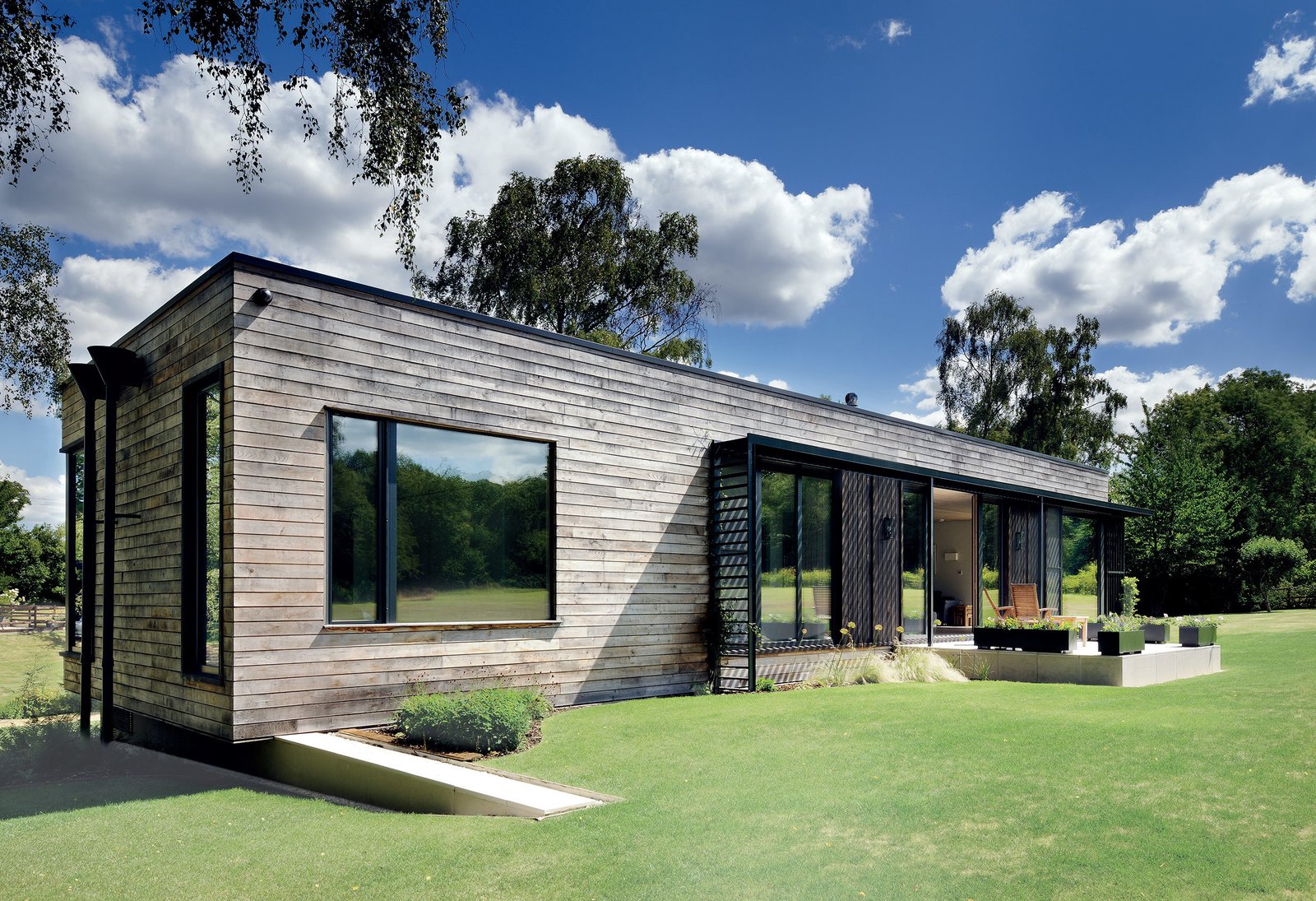
As urban landscapes evolve, mobile homes are increasingly recognized as a viable solution to contemporary housing challenges. Urban planners are beginning to see the potential for integrating mobile homes into city designs, creating a more diverse and flexible housing market. This shift addresses critical issues such as housing shortages and affordable living spaces in densely populated areas.
Integration of Mobile Homes in City Landscapes
Urban planners are actively incorporating mobile homes into their designs to create multi-functional spaces that cater to diverse populations. These homes are often seen as an effective means of increasing housing density without the extensive costs associated with traditional apartment buildings.
Mobile homes can be strategically placed in underutilized areas, transforming vacant lots into vibrant communities.
For example, cities like Los Angeles and Seattle have implemented zoning laws that allow for mobile home parks within urban settings, promoting a blend of affordability and accessibility. The following aspects highlight how urban development is adapting to accommodate mobile homes:
- Repurposing vacant land: Urban areas often have underused parcels that can be revitalized with mobile home communities.
- Design flexibility: Mobile homes can be designed to blend in with existing architecture, making them aesthetically pleasing as well as functional.
- Community integration: Planners are focusing on creating mobile home parks that include amenities such as parks, community centers, and transportation links.
The Role of Mobile Homes in Housing Shortages
Addressing the pressing issue of housing shortages, mobile homes offer a cost-effective alternative to traditional housing. With many urban areas facing significant demand for affordable housing, mobile homes provide a quick solution to this crisis.
Mobile homes can be built and installed faster than traditional homes, allowing for rapid response to housing needs.
Cities facing housing shortages have implemented programs to encourage the development of mobile home communities. For instance, cities like Austin, Texas, have initiated policies that prioritize mobile homes as a sustainable option for affordable living. The benefits include:
- Lower construction costs: Mobile homes typically require less investment than traditional housing, making them affordable for low- and moderate-income families.
- Quick deployment: The ability to set up mobile homes quickly means that cities can respond efficiently to immediate housing needs.
- Scalability: Mobile home developments can be expanded to meet increasing demand without the lengthy processes associated with traditional construction.
Innovative Mobile Home Designs for Modern Living
The future of mobile homes also encompasses innovative designs that appeal to today’s urban lifestyles. Modern mobile homes are being developed with sustainability and efficiency in mind, ensuring they meet contemporary living standards.
Innovative designs not only enhance aesthetic appeal but also improve functionality for residents.
Current trends in mobile home design include:
- Eco-friendly materials: Many manufacturers are embracing sustainable materials and energy-efficient technologies to reduce environmental impact.
- Smart home technology: New mobile homes are being equipped with smart technologies that enhance convenience and energy management.
- Modular designs: Modular mobile homes allow for customizable spaces, catering to the unique needs of urban dwellers.
These advancements in mobile home design not only meet modern living standards but also address the challenges of urbanization, making mobile homes an integral part of the future housing landscape.
Community Living in Mobile Home Parks: Homes Mobile Homes
Living in a mobile home park can offer a unique blend of independence and community. These parks often foster strong social dynamics, allowing residents to form close relationships while enjoying the benefits of a supportive neighborhood. As mobile home parks vary greatly in terms of amenities, rules, and overall atmosphere, understanding how to select the right one is crucial for aligning with personal lifestyle preferences.
Selecting a mobile home park that suits your lifestyle involves considering various factors such as location, amenities, and the community vibe. Researching parks can help potential residents understand what to expect and find a good fit. Here are some key aspects to consider when choosing a mobile home park:
- Location: Proximity to work, schools, healthcare, and shopping can significantly impact quality of life.
- Amenities: Parks may offer features like community centers, pools, or recreational areas which enhance lifestyle options.
- Community Guidelines: Understanding rules regarding noise, pets, and property upkeep can help align expectations.
- Social Atmosphere: Visiting the park and talking to residents can provide insight into the community dynamics.
Community living in mobile home parks presents both benefits and challenges. One of the primary advantages is the opportunity for social interaction and support among neighbors, which can lead to a sense of belonging. However, there may also be challenges, such as differing lifestyles or values among residents. Below are some benefits and challenges of community living in mobile home settings:
Benefits and Challenges of Community Living
- Benefits:
- Support Network: Residents often bond over shared experiences and can offer mutual assistance.
- Social Activities: Many parks organize events like barbecues, game nights, and holiday celebrations which can enhance community spirit.
- Safety: A close-knit community can provide a greater sense of security and vigilance.
- Challenges:
- Noise and Privacy: Living closely with neighbors can sometimes lead to noise issues and reduced privacy.
- Rules and Restrictions: Some parks have strict regulations that could limit personal freedoms.
- Conflict Resolution: Disagreements among neighbors can arise, requiring effective communication and compromise.
Community living in mobile home parks can significantly enhance quality of life through social connections, yet it requires adaptability to navigate communal challenges.
Customizing Your Mobile Home
Making a mobile home feel personal and inviting is an essential part of transforming it into a true living space. Customization allows homeowners to reflect their style while also enhancing functionality. Whether it is through interior design choices or exterior renovations, the possibilities are endless when it comes to personalizing a mobile home.One of the great advantages of mobile homes is their flexibility for customization.
Homeowners can choose from a variety of design ideas that not only beautify their space but also improve its utilization. Here are some creative design ideas and renovation projects that can significantly enhance a mobile home’s aesthetic and living experience.
Interior Design Ideas for Mobile Homes
To create a warm and inviting interior, consider the following design ideas that are particularly effective in mobile homes:
- Open Floor Plan Concept: Removing non-load-bearing walls can create a more open and spacious feel. This is particularly beneficial in smaller mobile homes.
- Multi-Functional Furniture: Invest in furniture that serves multiple purposes, such as a sofa bed or storage ottoman, to maximize space efficiency.
- Wall Treatments: Use wallpaper, paint, or wood paneling to add character to your walls. Patterns and textures can make a significant visual impact.
- Lighting Enhancements: Swap out standard fixtures for stylish pendants or chandeliers. Layering different light sources can also create a more inviting atmosphere.
- Personalized Decor: Incorporate art, photographs, and personal treasures that showcase your personality and create a sense of home.
Exterior Customization Projects
Enhancing the exterior of a mobile home can substantially improve curb appeal. Here are some common renovation projects:
- Skirting Installation: Installing attractive skirting around the base of the mobile home can give it a more polished look while providing insulation and protection.
- Deck and Porch Additions: Building a deck or porch not only expands your outdoor living space but also adds a welcoming touch to the entrance.
- Landscaping Improvements: Planting flowers, shrubs, and trees can beautify the surroundings and make the space feel more inviting.
- Exterior Paint or Siding: Repainting or upgrading the siding can transform the mobile home’s appearance. Choose colors that complement your style, and consider materials that require low maintenance.
- Outdoor Lighting: Adding string lights or solar-powered fixtures can create a cozy atmosphere for outdoor gatherings.
Budgeting and Planning for Renovations, Homes mobile homes
When embarking on renovation projects, careful budgeting and planning are crucial to ensure that the desired outcomes are achieved without overspending. Start by setting a clear budget for your renovation, accounting for materials, labor (if applicable), and unexpected costs. A common recommendation is to allocate an extra 10-15% for contingencies. Prioritize projects based on necessity and desired impact to create a phased approach that allows you to tackle the most important renovations first.
“Planning is bringing the future into the present so that you can do something about it now.” – Alan Lakein
Additionally, it’s wise to research local regulations regarding mobile home modifications, as there may be restrictions or permits required for specific upgrades. Engage professionals for more complex renovations, ensuring that the work complies with local codes and standards. By taking a well-organized approach, homeowners can effectively customize their mobile homes to better suit their lifestyles while adding both comfort and value.
Last Recap

In summary, the journey through homes mobile homes reveals a compelling narrative of innovation, community, and sustainable living. As urban landscapes evolve and housing needs shift, mobile homes stand out as a viable solution for many. Whether you’re considering purchasing a mobile home or simply exploring your options, embracing this lifestyle can lead to unique opportunities and fulfilling experiences.
Detailed FAQs
What are the average costs of mobile homes?
The average cost of a mobile home varies greatly depending on size, age, and location, but typically ranges from $30,000 to $100,000.
Do mobile homes appreciate in value?
Generally, mobile homes depreciate in value, similar to vehicles, but well-maintained homes in desirable locations can appreciate.
Can you finance a mobile home without land?
Yes, there are financing options available for mobile homes without land, such as personal loans or specific mobile home loans.
What maintenance tasks are essential for mobile homes?
Essential maintenance includes checking for leaks, maintaining heating and cooling systems, and inspecting the foundation and skirting.
Are mobile home parks safe?
Many mobile home parks are safe and well-maintained, but it’s important to research and visit parks to assess safety and community standards.