homes for sale county sets the stage for this enthralling narrative, offering readers a glimpse into a world where finding the perfect home can be both exciting and rewarding. In today’s dynamic real estate market, understanding the nuances of county home listings is essential for buyers. With various neighborhoods, financing options, and property types available, navigating through the choices can seem daunting yet full of potential.
From the importance of location to the role of real estate agents and financing options, every aspect plays a crucial part in the decision-making process. Whether you’re a first-time buyer or looking to invest, this overview will guide you through the vibrant landscape of homes for sale in the county.
The Importance of Location in County Home Sales
In the realm of real estate, the age-old adage “location, location, location” holds significant weight, especially in county home sales. The neighborhoods in which homes are situated can greatly influence their value and desirability. Buyers are not just looking for a house; they are seeking a lifestyle, which is greatly shaped by the environment surrounding their potential new home.The impact of a neighborhood on property value is multifaceted, influenced by various factors such as safety, aesthetic appeal, and communal amenities.
Areas with well-maintained homes, low crime rates, and a vibrant community often see higher property values. Buyers are increasingly drawn to neighborhoods that offer a mix of convenience and charm, particularly those that are easily accessible to important amenities. Proximity to schools, parks, shopping centers, and public transportation plays a crucial role in shaping buyer preferences. For instance, families often prioritize locations near good schools, which can substantially increase demand and, consequently, property prices in these areas.
Appealing Locations in Notable Counties
Several counties across the country are recognized for their appealing locations that enhance the desirability of homes for sale. These locations contribute to the overall quality of life and provide a robust market for potential buyers. Below are a few examples of counties celebrated for their prime real estate locations:
- Los Angeles County, CA: Known for its year-round sunshine, proximity to beaches, and a myriad of cultural amenities, homes in this region attract buyers from across the nation. Neighborhoods like Santa Monica and West Hollywood are particularly sought after for their vibrant lifestyles.
- King County, WA: Seattle’s surrounding areas boast stunning natural scenery and a thriving tech industry, making it a desirable place to live. The neighborhoods of Bellevue and Redmond are popular due to their excellent schools and ample recreational opportunities.
- Cook County, IL: As home to Chicago, this county offers urban conveniences along with suburban charm. Areas like Lincoln Park and Bucktown are known for their historic architecture, parks, and access to public transportation, appealing to both families and young professionals.
- Miami-Dade County, FL: The vibrant culture, beautiful beaches, and a diverse community make Miami a hotspot for homebuyers. Areas such as Coral Gables and Coconut Grove are particularly attractive for their lush landscapes and upscale living.
Each of these counties highlights how location can significantly impact home sales. The desirability of a neighborhood, combined with its amenities, can drive competition and increase property values. Understanding these dynamics is vital for both buyers and sellers navigating the real estate market.
Understanding the Local Real Estate Market Trends
In today’s dynamic real estate market, comprehending the local trends can significantly influence your buying decisions. Market fluctuations often reflect broader economic indicators, local developments, and shifts in demand. By grasping these nuances, you can better navigate the home buying process in your desired county.The local real estate market is influenced by a variety of factors, each contributing to the ebb and flow of home sales and prices.
Economic conditions, such as employment rates and interest rates, play a pivotal role. Additionally, demographic trends, such as population growth or decline, can affect housing demand and availability. Seasonal changes also impact the market, with certain times of the year typically seeing higher activity.
Key Market Indicators and Statistics
Tracking specific statistics can provide valuable insights into the real estate market’s health and future direction. It’s essential for potential buyers to monitor the following indicators:
Median Home Prices
Understanding the average price of homes sold in the county can help gauge market conditions.
Days on Market
This statistic indicates how long homes stay on the market before selling, revealing demand levels.
Inventory Levels
A high inventory suggests a buyer’s market, while low inventory indicates a seller’s market.
Sales Volume
The number of homes sold within a specific period can help identify trends in buyer interest.The following table illustrates recent sales data over the past few years within the county, providing a clearer picture of market trends:
| Year | Median Home Price | Average Days on Market | Homes Sold |
|---|---|---|---|
| 2021 | $350,000 | 30 | 1,200 |
| 2022 | $375,000 | 25 | 1,300 |
| 2023 | $400,000 | 20 | 1,100 |
By analyzing this data, potential buyers can better understand the market’s trajectory and make informed decisions when considering homes for sale. The trends illustrated demonstrate an upward trajectory in home prices and a decrease in days on the market, indicating a potentially competitive environment.
Different Types of Homes Available in the County
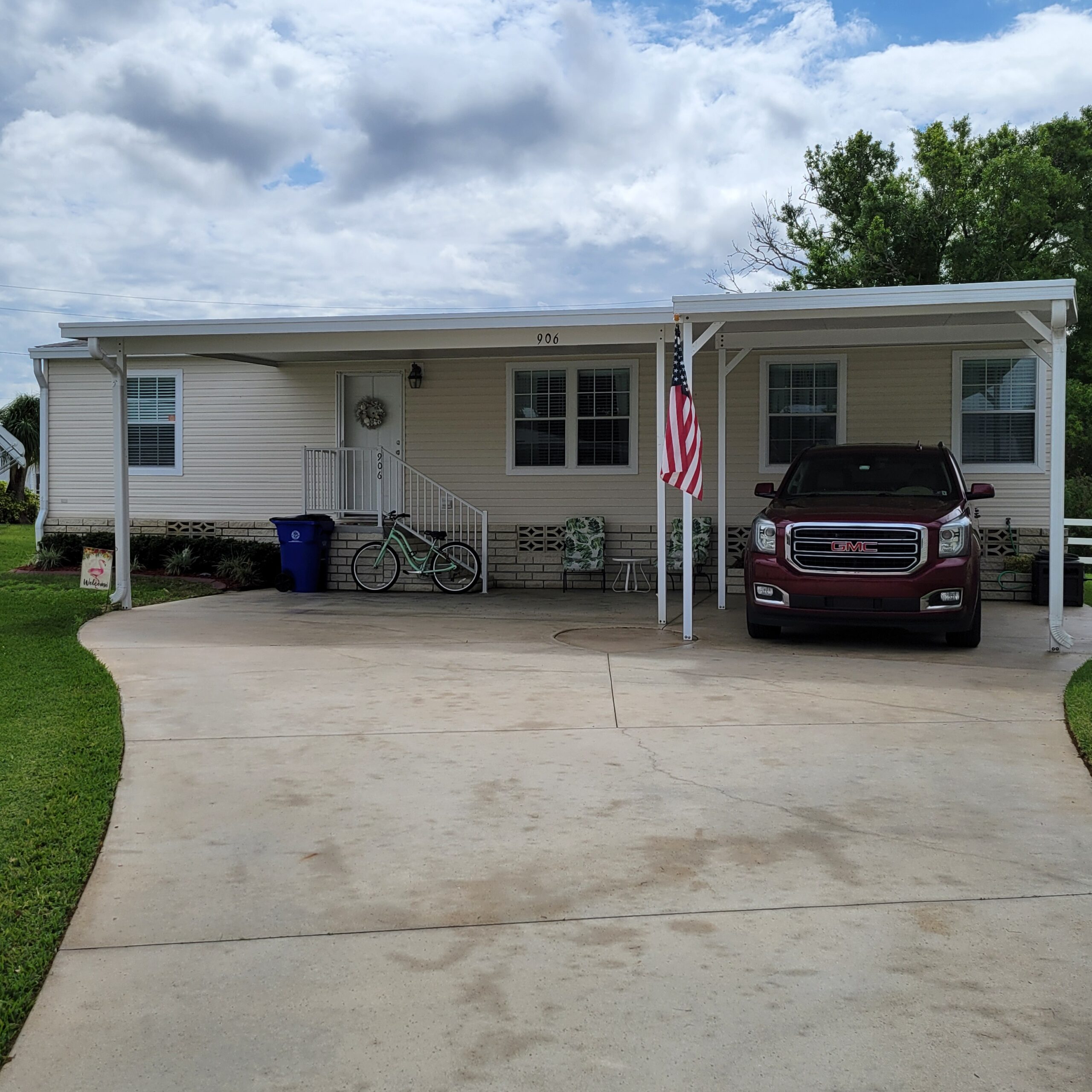
The county offers a diverse range of home styles that cater to various preferences and lifestyles. Whether you are a first-time buyer, a growing family, or looking to downsize, understanding the types of homes available can help you make an informed decision. Each home style has its own unique charm and set of features, appealing to different demographics and needs.When exploring the local real estate market, potential buyers will find three primary types of homes: single-family homes, townhouses, and condominiums.
Each option has its advantages and disadvantages, making it essential to assess what best fits your lifestyle.
Single-Family Homes
Single-family homes are standalone structures, providing privacy and independence from neighbors. They are ideal for families seeking space and a backyard for outdoor activities.
Pros
Ample space, both indoors and outdoors
Obtain recommendations related to Hello world! that can assist you today.
Greater privacy with no shared walls
Potential for renovations and landscaping
Often located in family-friendly neighborhoods –
Cons
Generally higher purchase price compared to other types
Increased maintenance responsibilities for the homeowner
Utility costs may be higher due to larger square footage
Townhouses
Townhouses, or row homes, are attached dwellings that share one or more walls with neighboring units. They strike a balance between single-family homes and condos, making them popular among different buyers.
Pros
More affordable than single-family homes
Lower maintenance responsibilities, often with HOA support
Community atmosphere with shared amenities
Usually located near urban centers for convenience –
Cons
Less privacy due to shared walls
Homeowners’ association fees may add to monthly costs
Limited outdoor space compared to single-family homes
Condominiums, Homes for sale county
Condominiums, or condos, are individual units within a larger building or complex. They are particularly attractive to buyers looking for low-maintenance living, often appealing to young professionals or retirees.
Pros
Generally lower purchase prices and maintenance costs
Amenities such as pools, gyms, and communal areas
Minimal maintenance responsibilities for owners
Ideal for those who prefer urban living or downsizing –
Cons
Less space than single-family homes or townhouses
Homeowners’ association rules and fees
Limited control over property modifications
Potential for noise from neighboring units
Understanding the different types of homes available in the county is crucial for making a well-rounded decision that aligns with your lifestyle and budget. Each home style offers unique advantages and challenges, making it important to weigh your options carefully.
The Role of Real Estate Agents in Facilitating Home Sales
Navigating the home buying process in the county can be overwhelming, especially with the variety of listings and market dynamics at play. Real estate agents play a crucial role in simplifying this journey for buyers. They act as knowledgeable guides who provide valuable insights and support, ensuring a smoother transaction from start to finish.Real estate agents assist buyers by leveraging their expertise to identify properties that suit their needs and preferences.
They have access to the latest listings, market trends, and neighborhood information, enabling them to match clients with homes that meet their criteria. Additionally, agents can facilitate property viewings, negotiate offers, and handle paperwork, all of which can be daunting tasks for first-time homebuyers or those unfamiliar with the process.
Client Success Stories with Real Estate Professionals
Many clients have experienced significant benefits from working with real estate agents. For instance, one family relocating to the county shared how their agent helped them secure a beautiful home in a desirable school district within weeks. The agent’s local knowledge allowed them to act swiftly in a competitive market, ultimately leading to a successful closing that aligned with their timeline and budget.
Another example involves a couple looking to downsize after their children moved out. With the guidance of their agent, they were able to sell their large family home quickly and for a great price while finding a cozy condo that fit their new lifestyle. The agent’s negotiation skills and understanding of current market conditions were instrumental in both transactions.
Choosing the Right Agent for Home Buying
Selecting the right real estate agent is vital to ensure a smooth home buying experience. Here are some key factors to consider when choosing an agent in the county:
Experience and Local Knowledge
Look for agents who have extensive experience in the county’s real estate market. They should be familiar with local neighborhoods, property values, and market trends.
Reputation and Reviews
Research agents’ reputations through online reviews and testimonials. Positive feedback from previous clients can indicate reliability and effectiveness.
Communication Style
Choose an agent who communicates clearly and promptly. Effective communication is essential for a successful partnership throughout the home buying process.
Specialization
If you have specific needs, such as purchasing a luxury home or a property for investment purposes, find an agent who specializes in that area to benefit from their tailored expertise.
Compatibility
Trust your instincts when meeting potential agents. A good rapport can make the process more enjoyable and less stressful.
“The right real estate agent can transform the daunting home buying experience into a seamless journey.”
By keeping these factors in mind, buyers can make informed decisions that significantly impact their home purchasing experience in the county.
Financing Options for Buying Homes in the County
When it comes to purchasing a home in the county, understanding the available financing options is crucial for potential buyers. Various methods can make homeownership more accessible, from traditional loans to grants that cater to specific needs. By exploring these financing avenues, buyers can identify the best option to suit their financial situation and home ownership goals.In today’s competitive housing market, getting pre-approved for a mortgage is more critical than ever.
Pre-approval not only helps buyers understand their budget but also strengthens their position when making an offer on a property. Sellers are more likely to consider offers from pre-approved individuals, as it indicates serious intent and financial readiness.
Available Financing Methods
It’s essential to be aware of the different financing methods available to help facilitate the home purchasing process. Below are some popular options that buyers often consider:
- Conventional Loans: Standard loans that are not insured by the federal government. These are typically offered by banks and mortgage companies.
- FHA Loans: Backed by the Federal Housing Administration, these loans allow for lower down payments and are ideal for first-time buyers.
- VA Loans: Available to veterans and active-duty military personnel, these loans often require no down payment and have favorable terms.
- USDA Loans: Designed for rural homebuyers, USDA loans provide low-interest rates with no down payment required for eligible properties.
- HomeReady/Home Possible Loans: These are aimed at low- to moderate-income buyers, allowing for lower down payments and flexibility in credit requirements.
In addition to loans, there are also grants and assistance programs available, especially for first-time homebuyers or those purchasing in specific areas. These can significantly reduce the financial burden associated with buying a home.
Importance of Getting Pre-Approved
Pre-approval for a mortgage serves as an important step in the home buying process for several reasons. It provides buyers with a clear understanding of their financial capacity and enhances their credibility in the eyes of sellers.
“Being pre-approved means you have a defined budget and can act quickly when you find the right home.”
Loan Types and Their Terms
To further clarify the available loan options, here is a table summarizing some common loan types along with their typical terms:
| Loan Type | Typical Down Payment | Average Interest Rate | Loan Term |
|---|---|---|---|
| Conventional Loan | 3% – 20% | 3.5% – 4.5% | 15 – 30 years |
| FHA Loan | 3.5% | 3.5% – 4.5% | 15 – 30 years |
| VA Loan | 0% | 3% – 4% | 15 – 30 years |
| USDA Loan | 0% | 3.5% – 4.5% | 30 years |
| HomeReady/Home Possible | 3% | 3.5% – 4.5% | 15 – 30 years |
Neighborhood Features That Attract Home Buyers: Homes For Sale County

When searching for a new home, potential buyers often consider not just the property itself, but the surrounding neighborhood. Neighborhood features play a significant role in the decision-making process, as they can significantly influence both quality of life and property value. A well-chosen neighborhood can enhance the buying experience and provide a sense of community that buyers crave.One of the primary characteristics that draw home buyers to specific neighborhoods is the availability of amenities and services.
These can include parks, shopping centers, schools, and healthcare facilities. Buyers generally seek areas that provide convenience and enhance their lifestyle. In addition, the safety and aesthetic appeal of a neighborhood are crucial; well-maintained public spaces and low crime rates are significant factors in attracting buyers.
Community Events and Local Culture
The vibrancy of community life often influences home-buying decisions. Neighborhoods that host regular events foster a sense of belonging and connection among residents. Here are some features associated with strong community engagement:
- Festivals and Fairs: Annual events, such as local food festivals or seasonal fairs, create opportunities for neighbors to mingle and celebrate, enhancing community spirit.
- Farmers’ Markets: Weekly markets not only provide fresh produce but also serve as social hubs where residents can interact and support local businesses.
- Art and Music Events: Community concerts and art shows highlight local talent and encourage participation, making neighborhoods more appealing to prospective buyers.
- Volunteer Opportunities: Neighborhood organizations that foster volunteerism can help residents connect over shared initiatives, enhancing community involvement.
The cultural aspects of a neighborhood, such as access to museums, theaters, and galleries, also play a significant role. Buyers are often attracted to areas that reflect their interests and values, leading them to prioritize neighborhoods that offer diverse cultural experiences.Counties like Marin County in California and Boulder County in Colorado exemplify neighborhoods with rich community features. Marin County, for instance, is renowned for its outdoor activities, scenic beauty, and community events that celebrate local heritage.
Boulder County is known for its vibrant arts scene, extensive bike paths, and farmer’s markets, all contributing to a lively community atmosphere. These characteristics not only enhance the appeal of the homes in these areas but also positively impact property values due to the desirability of the neighborhoods.
Navigating the Home Inspection Process

Before finalizing a home purchase, a thorough home inspection is crucial. This process helps identify any potential issues with the property, providing buyers with peace of mind and negotiating power. A home inspection can save buyers from costly repairs and unexpected problems down the line, making it an essential step in the home buying journey.A home inspection involves a comprehensive evaluation of a property, focusing on its major components and systems.
Typically, a qualified inspector will assess the condition of the roof, foundation, plumbing, electrical systems, heating and cooling systems, and more. Understanding the steps involved in conducting a thorough home inspection can help buyers feel more prepared and confident during this critical phase.
Steps Involved in Conducting a Home Inspection
A systematic approach ensures that no part of the home is overlooked during the inspection process. Here are the key steps involved:
1. Choosing a Qualified Inspector
Look for licensed and experienced home inspectors with good reviews and references. They should be familiar with the local building codes and standards.
2. Scheduling the Inspection
Arrange the inspection at a time when you can attend. Being present allows you to ask questions and understand the findings firsthand.
3. Initial Walkthrough
The inspector will conduct a walkthrough of the property, noting any visible issues. This initial inspection sets the stage for a more detailed examination.
4. Detailed Inspection
The inspector examines major systems such as:
Roofing
Checking for damage, leaks, or aging materials.
Foundation
Looking for cracks or signs of settling that could indicate structural problems.
Plumbing
Inspecting for leaks, water pressure, and drainage issues.
Electrical Systems
Ensuring circuit breakers function correctly and the wiring meets safety standards.
5. Final Report
After completing the inspection, the inspector provides a detailed report outlining their findings. This report should include photographs and descriptions of any issues, along with recommendations.Important aspects to focus on during the inspection can greatly influence your purchasing decision.
Tips for Buyers During the Inspection Process
Being proactive during the home inspection can enhance your understanding of the property’s condition. Here are some important pointers for buyers to consider:
Ask Questions
Engage with the inspector during the inspection. Inquire about any concerns or clarifications you may need. Understanding the implications of their findings is vital.
Observe Key Areas
Pay close attention to critical areas such as:
Basements and Crawl Spaces
Look for signs of moisture or mold, which can indicate water issues.
Attics
Check for insulation quality, ventilation, and any signs of pests or leaks.
Exterior
Evaluate the condition of siding, windows, and doors for potential maintenance needs.
Review the Report Thoroughly
Once you receive the inspection report, read through it carefully. Pay special attention to major red flags that could affect your purchase decision or require immediate repairs.
Consider Future Maintenance
Beyond current issues, think about the long-term maintenance of the home. Ask about the lifespan of major systems like HVAC, roofing, and appliances.
Negotiate Repairs or Price Adjustments
Use the findings from the inspection as leverage in your negotiations. If significant issues are uncovered, you may request repairs or a price reduction to cover future costs.
Remember, a home inspection is an opportunity to protect your investment and ensure your new home is safe and sound.
Future Development Plans in the County
As the county continues to grow and evolve, the impact of future development plans on the real estate market becomes increasingly significant. Understanding these developments is crucial for potential home buyers and investors who are looking to make informed decisions about property purchases. With various projects on the horizon, the landscape of the county’s real estate market is set to change.Upcoming developments can lead to an increase in property values and attract new residents to the area.
Improved infrastructure, such as roads, public transportation, and community amenities, enhances the desirability of neighborhoods, making them more appealing for homebuyers. These changes can create a ripple effect, leading to increased demand for housing and potential price appreciation.
Current Development Proposals in the Area
Several key development proposals are currently in the pipeline that could significantly impact the local real estate market. Understanding these projects can help buyers gauge future opportunities and challenges in the market. Here’s a look at some of the most notable proposals:
- New Shopping Center: A large shopping center is planned to include retail stores, dining options, and entertainment facilities, expected to draw a significant number of visitors and residents.
- Public Transportation Expansion: Plans are underway to expand public transportation routes, which will improve accessibility and connectivity throughout the county.
- Residential Subdivisions: Several residential developments are proposed, featuring single-family homes and multi-family units, aimed at accommodating the growing population.
- Parks and Recreational Areas: New parks and community centers are being developed to enhance the quality of life for residents and attract families to the area.
- Tech Hub Development: A tech hub is in the works, aimed at fostering innovation and attracting businesses, which is likely to create job opportunities and boost the local economy.
Investors and potential homebuyers should keep an eye on these developments, as they are likely to influence market trends, property values, and the overall appeal of living in the county.
Closing Notes
In conclusion, the journey of discovering homes for sale in the county is filled with opportunities and considerations that can lead to a fulfilling investment. By grasping market trends, understanding community features, and choosing the right professionals to assist you, you pave the way for a successful home-buying experience. Embrace the adventure and make informed decisions to find a home that suits your lifestyle and aspirations.
Common Queries
What factors influence home prices in the county?
Location, amenities, and market demand are key influencers of home prices.
How can I find the best neighborhoods in the county?
Research local amenities, schools, and community events to gauge neighborhood appeal.
Is it necessary to work with a real estate agent?
While not mandatory, agents provide valuable expertise and resources that can simplify the buying process.
What financing options are available for home buyers?
Buyers can explore various loans, grants, and mortgage options tailored to their financial situations.
How important is a home inspection before purchasing?
A home inspection is critical for identifying potential issues and ensuring the property meets your expectations.